The World Cup Isn't Just a Tournament, It's the Biggest PR Stunt of the Year
Sports & Fitness
Ecomm/Retail
Fashion
Food/Hospitality/Drink
Share
The World Cup's Real Winners Aren't All on the Pitch
While 48 nations fight it out across North America, the brands getting the loudest wins are the ones doing the smartest PR. Here's who's getting it right, and why good PR is beating big budgets at this World Cup.
A few weeks ago, we told you why Classic Football Shirts appointed Rise at Seven ahead of the 2026 World Cup. This is part two of that story. Same tournament, different lens: the brands turning the World Cup into the biggest PR moment of their year, with or without an official sponsorship deal.
The World Cup Just Became PR's Biggest Stage
While 48 nations fight it out across North America, the brands getting the loudest wins are the ones doing the smartest PR. Here's who's getting it right, what it's doing to search demand, and why good PR is beating big budgets at this World Cup.
A few weeks ago, we told you why Classic Football Shirts appointed Rise at Seven ahead of the 2026 World Cup. This is part two of that story. Same tournament, different lens: the brands turning the World Cup into the biggest PR moment of their year, and the search data proving it's working.
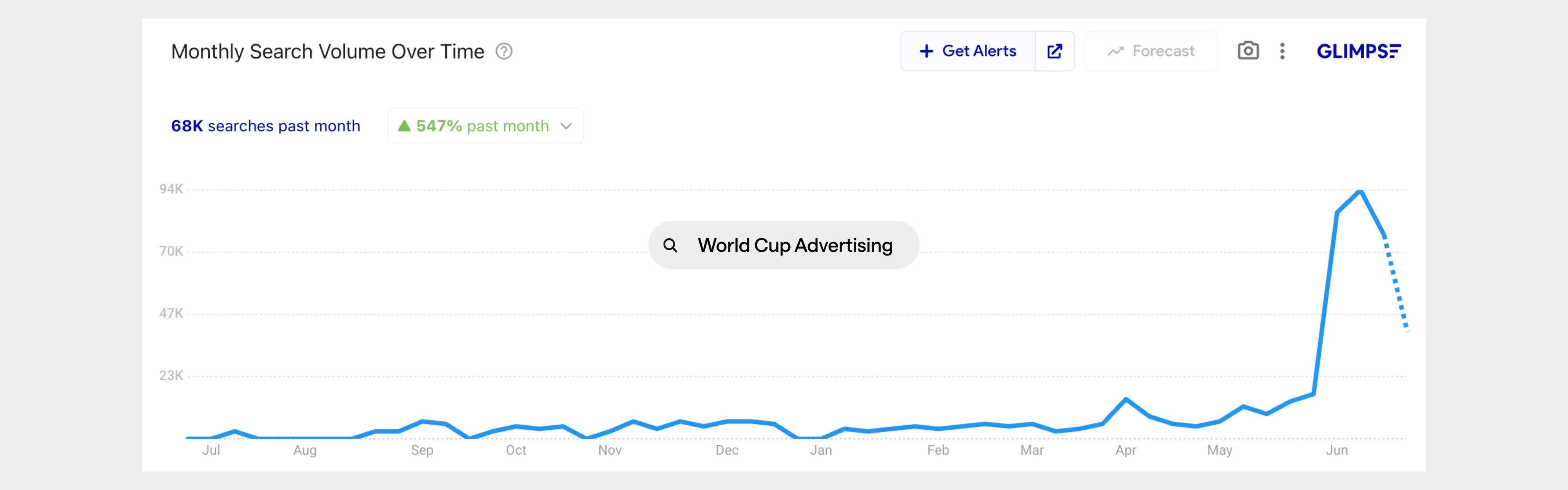
The World Cup Is Dominating Search, Full Stop
Soccer is now the most-searched sport on Google, a fact Google itself is leaning into with an entire AI-led ad campaign built around the line. In the UK, "World Cup 2026" entered Google Trends' rising search terms with a 600% spike the moment the tournament kicked off. Google's tournament-specific Trends hub is tracking real-time search behaviour at a scale most events never get close to, and FIFA is projecting the competition will reach 6 billion people globally, a 20% jump on Qatar 2022.
The interest isn't just casual either. CivicScience's tracking shows 28% of US adults are now at least "somewhat" interested in the tournament, up from 25% a year ago, with Gen Z leading the way at 41%. That's an audience actively searching, not one stumbling across content by accident.
And yet, industry analysis from WARC Media puts the incremental ad spend the tournament will pull into the market at $10.5bn, a 1.1% lift on a normal quarter. Compare that to 2018, where the same uplift was $12.6bn and 2.8%. Search demand is climbing. The guaranteed return on simply buying your way into the conversation is not. That gap is exactly where PR wins.
That's a PR problem before it's a media-buying one. And it's exactly the kind of problem we love.
And the Stunts Are Driving the Branded Search
Here's the part that matters most for brand strategy. The campaigns generating the loudest cultural reaction are also the ones converting that reaction into people actively searching the brand out, not just seeing an ad and scrolling past it.
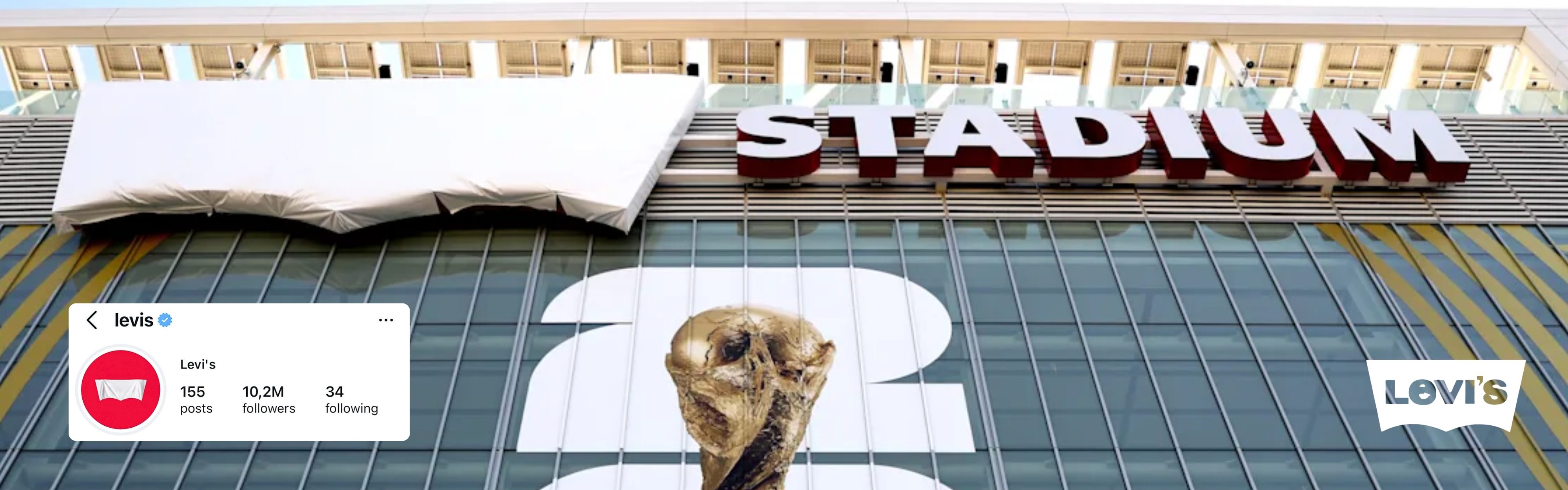
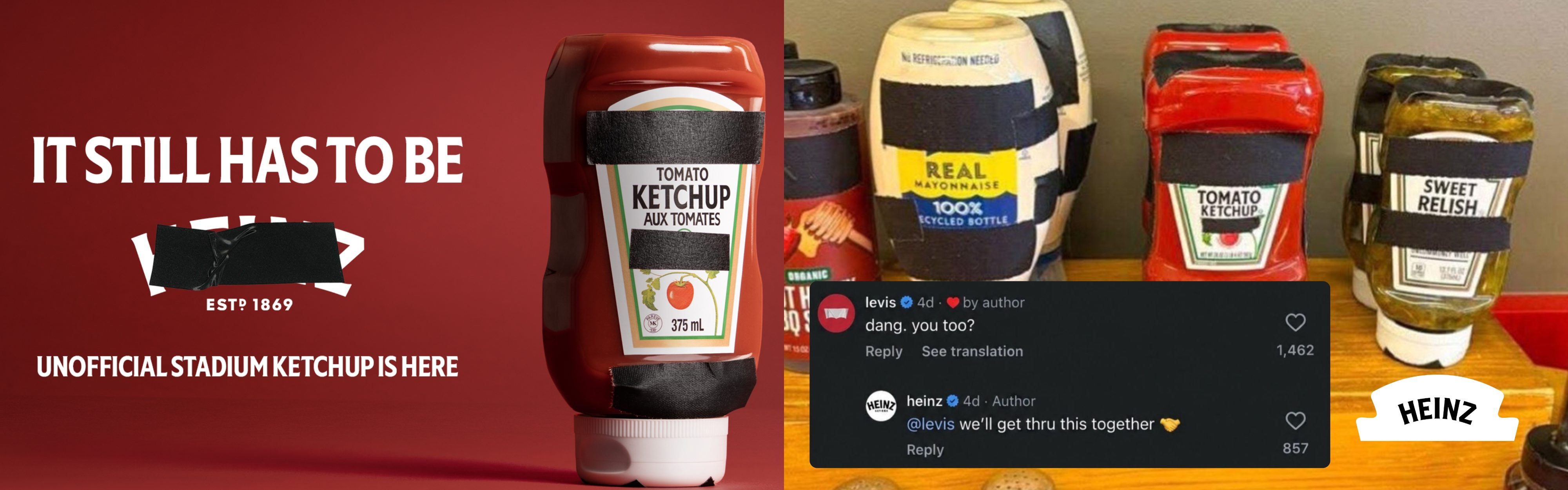
Levi's is the clearest case study. The covered-logo moment wasn't paid media, it was a free response to a rule, and it still pulled in 766,000 likes and almost 9,000 comments on a single Instagram post, with the original TikTok explaining the FIFA rule racking up 5.8 million views on its own. People weren't just liking a post. They were actively looking up why Levi's Stadium had disappeared, what the rule was, and what was hiding under the tarp, the exact behaviour that shows up as branded search the moment curiosity turns into a Google tab.
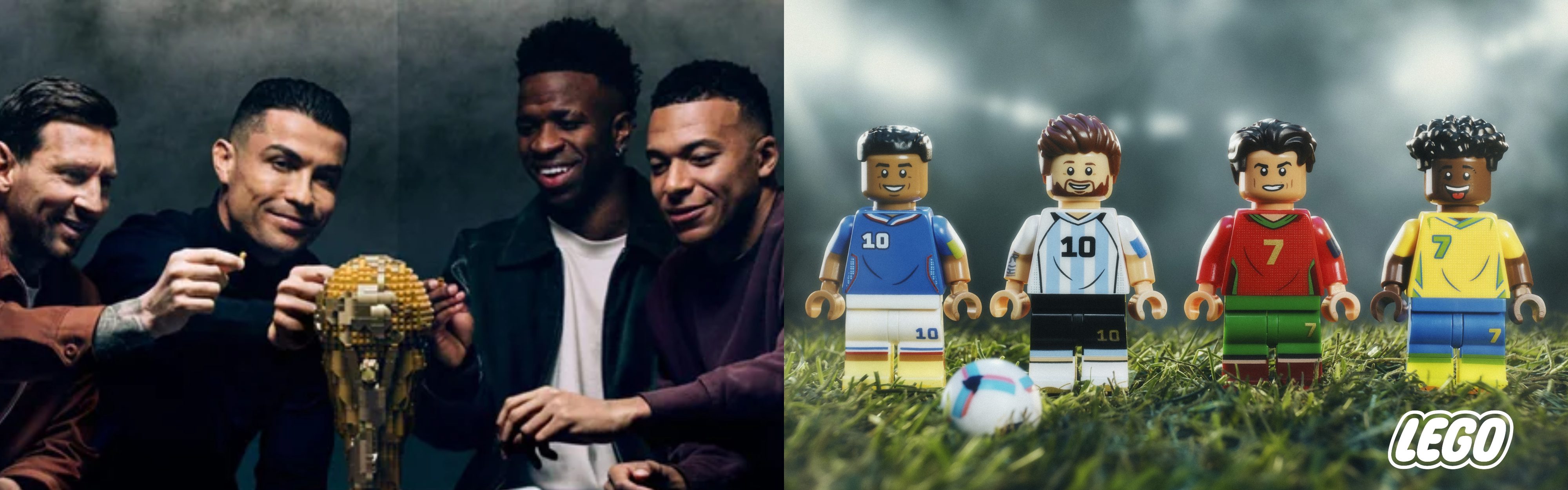
LEGO's reveal did the same thing at a different scale. Messi's own repost of the "Everyone Wants a Piece" film hit 17 million likes and 180 million views inside 24 hours, a level of reach that doesn't just sit on social, it spills straight into search as fans look up the sets, the players, and the moment itself.
This is the pattern across every brand below. Good PR doesn't just earn a moment of attention, it earns a follow-up search. Here's who's doing it.
Levi's: The Cover-Up That Became the Campaign
FIFA's "clean stadium" rule forced Levi's Stadium to cover its branded marquee with a white tarp for the duration of the tournament. The wordmark disappeared. The unmistakable shape of the batwing logo didn't. Levi's leaned all the way in, posting the covered sign to their 10.3 million Instagram followers, captioned "Welcoming the world to the beautiful [redacted] stadium!" and changing their own profile picture to match.
It worked because the restriction did the storytelling for them. Fans amplified it for free, several joking they'd bought Levi's jeans off the back of the moment alone. You don't need a campaign brief when the rules write the punchline for you.
Heinz: Turning a Restriction Into Content
Heinz isn't a World Cup sponsor, so its in-stadium ketchup bottles had their labels taped over with black tape for the tournament. Instead of treating it as a footnote, Heinz folded the censorship straight into its existing "It Has to Be Heinz" platform, launching an "Unofficial Stadium Ketchup" where the blacked-out label is the entire creative concept.
Same principle as Levi's, on a smaller budget. A compliance headache became a one-line, instantly shareable gag, proof that you don't need stadium naming rights to make this trick work.
Paddy Power: Rob Lowe vs Danny Dyer
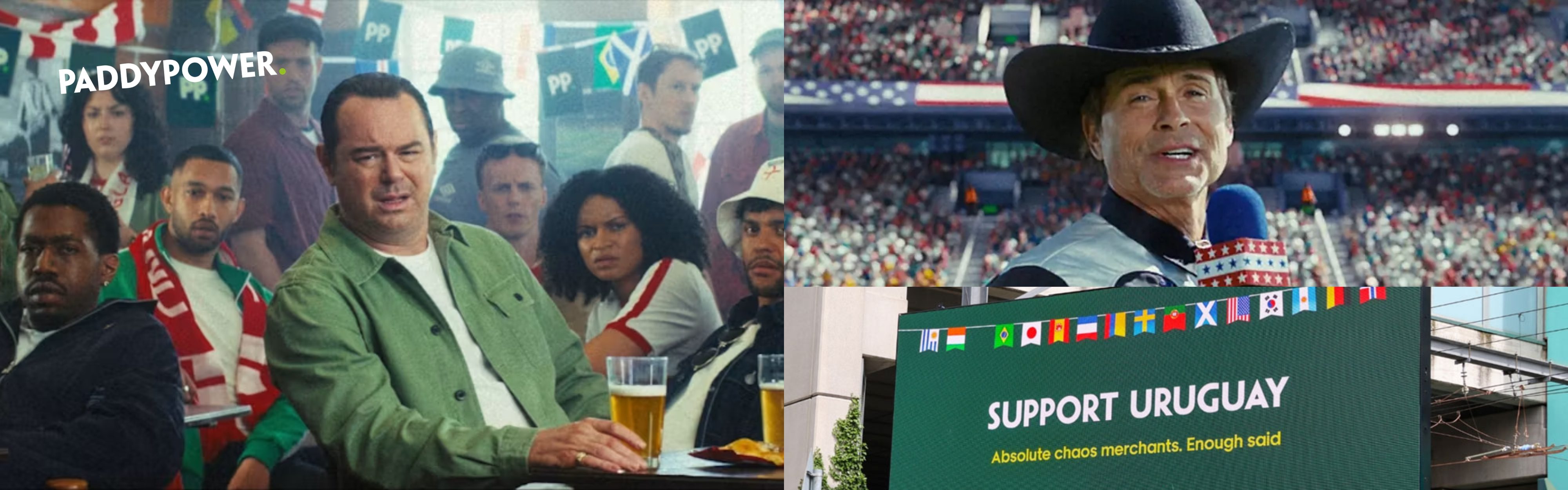
"Nobody Does Football Better Than Us" pits Hollywood's Rob Lowe, all fireworks, cheerleaders and 4K Kiss Cams, against Danny Dyer's pints-in-the-air, topless-fans version of English football culture, with cameos from Peter Crouch and Mick McCarthy.
No FIFA branding anywhere near it.
This is ambush marketing done properly. Zero protected IP, zero legal exposure, and a provocative OOH build in Hackney to back up the TV spot. Paddy Power doesn't need an official partnership to dominate the conversation; it just needs the nerve to be the loudest voice in the room.
Home Depot: Beckham's Backyard
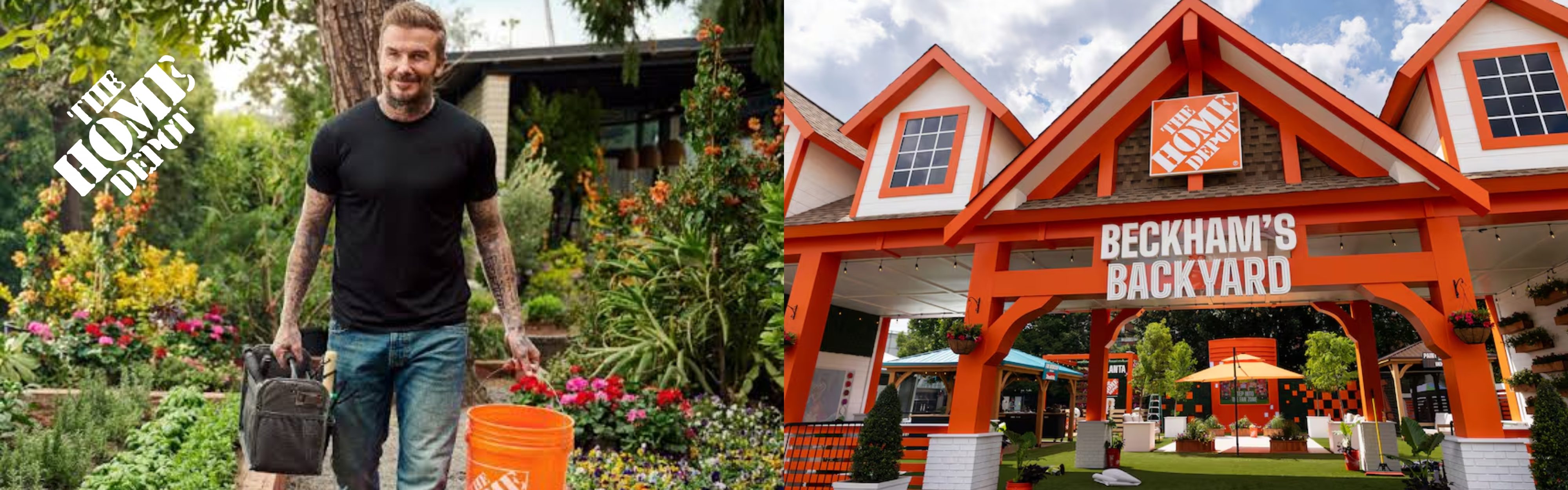
As the Official Home Improvement Retailer, Home Depot built "Beckham's Backyard", an immersive fan-festival activation with city-specific murals, a David Beckham-fronted planting build, and a Behr-branded kicking game, alongside national TV ads starring Beckham himself.
The smart part isn't the celebrity, it's the stretch. One sponsorship now covers DIY retail, paint, power tools and in-person fan experience, giving partners like Behr and Makita a free ride on the same investment. That's PR thinking applied to a media buy.
Lay's: The Epic Watch Party
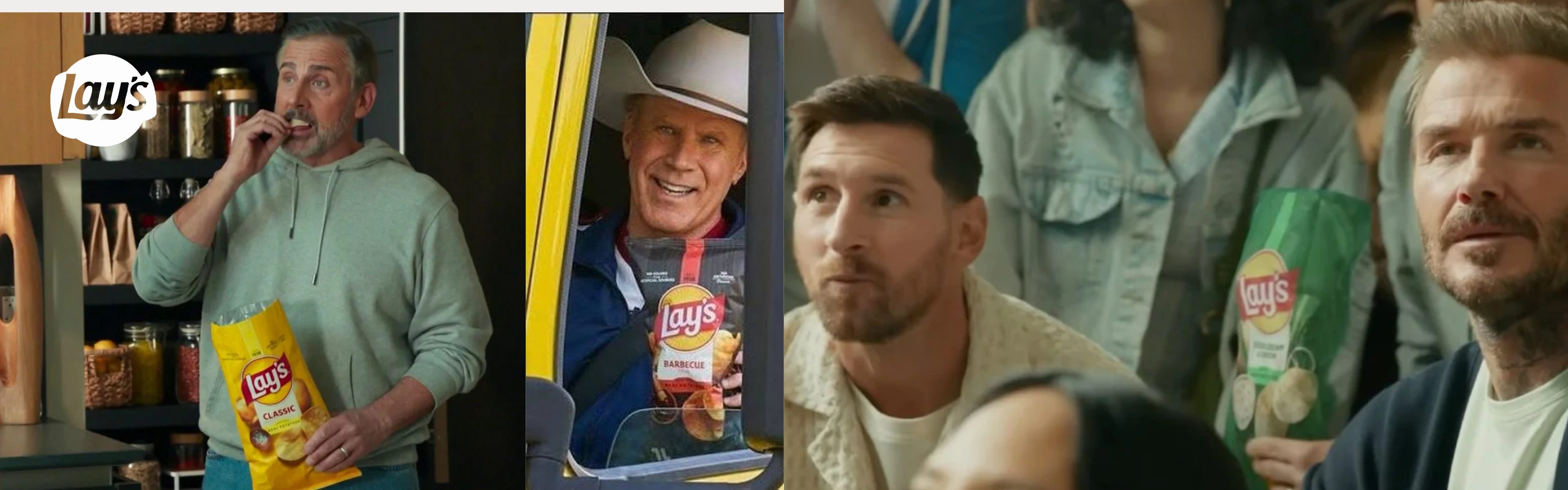
Lay's staged Messi, Beckham, Thierry Henry, Alexia Putellas and Steve Carell "ambushing" real shoppers outside a Florida supermarket, handing out invites to an exclusive watch party to anyone caught with Lay's in their grocery bags.
Carell's comedy is doing real work here. It makes a football-heavy cast land with casual, non-football audiences, and shooting it in an everyday supermarket rather than a studio makes the celebrity moments feel spontaneous rather than scripted. That authenticity is the whole campaign.
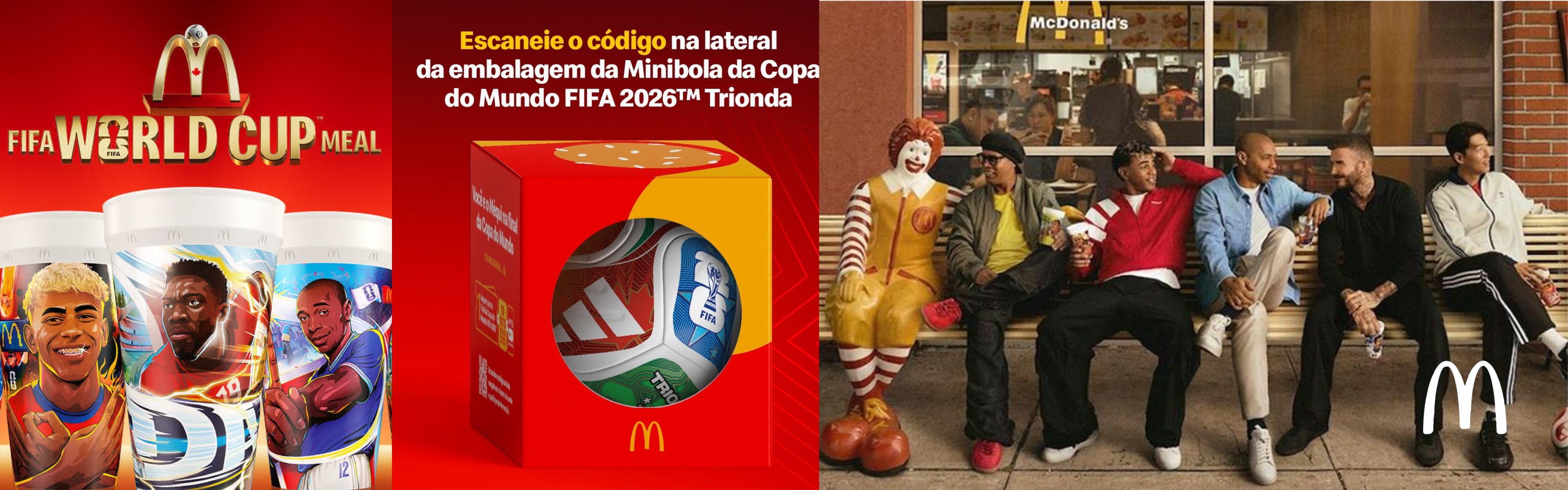
McDonald's: Collectable Cups & Mini Trionda Ball
McDonald's World Cup meal comes with one of nine collectable cups featuring players like Pulisic, Beckham and Ronaldinho, while the Happy Meal pairs Squishmallows with a McDonald's x Adidas mini replica of the official match ball.
Same logic as the Coca-Cola cans below: collectability drives repeat visits. But the detail that makes it land is Pulisic's own story; McDonald's after youth tournaments was a genuine childhood ritual for him, which gives the partnership a personal hook rather than a bolted-on one.
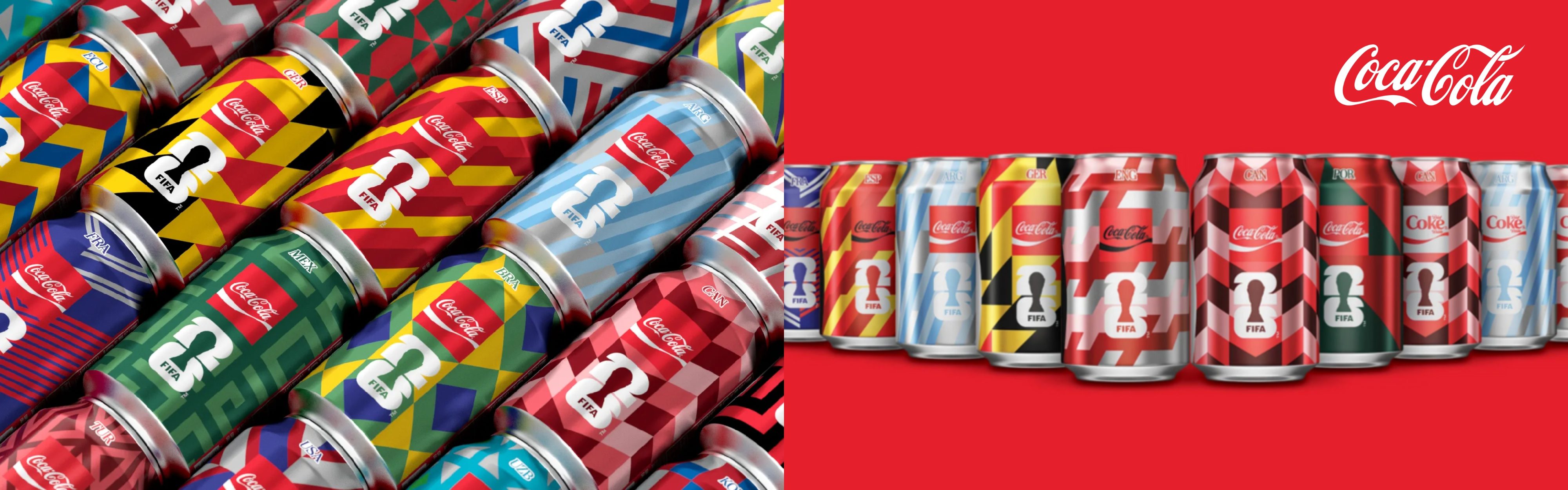
Coca-Cola: Collectable Country Cans
Coca-Cola designed limited-edition cans styled on the jersey colours and graphics of competing nations, with a fixed Coca-Cola and trophy position so the whole set reads as a collection. Each can carries a scannable code feeding a "Collect The Whole Squad" sweepstakes.
It's pure collector psychology. One can is a drink. Sixteen cans is a mission. It gives Coke a built-in reason for repeat purchase across the entire 39-day tournament window, not just on match days.
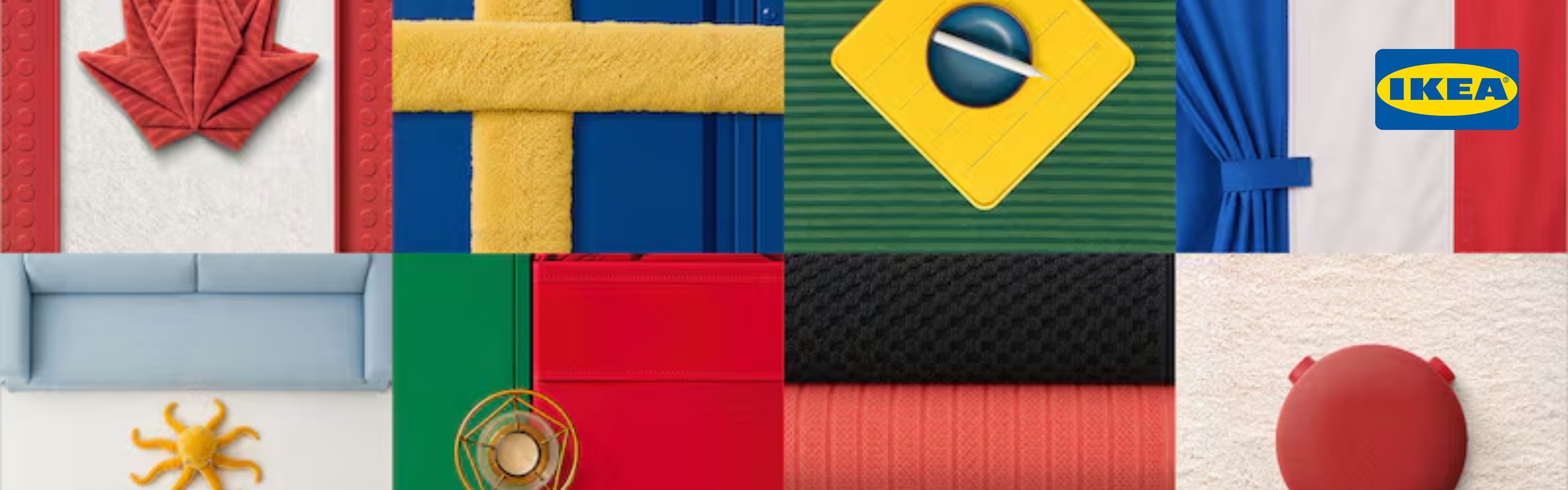
IKEA: Assemble the World
IKEA Canada and Dentsu Creative built 18 national flags entirely from IKEA furniture, lighting, plush toys and decor, each one styled to the colours of a competing nation and made fully shoppable straight from the image.
It works because it turns a tournament most people watch passively into something IKEA's audience actively does: spot the product, click, buy. Social-first, but reinforced with out-of-home near stores, so the campaign meets people both on their phone and on their commute.
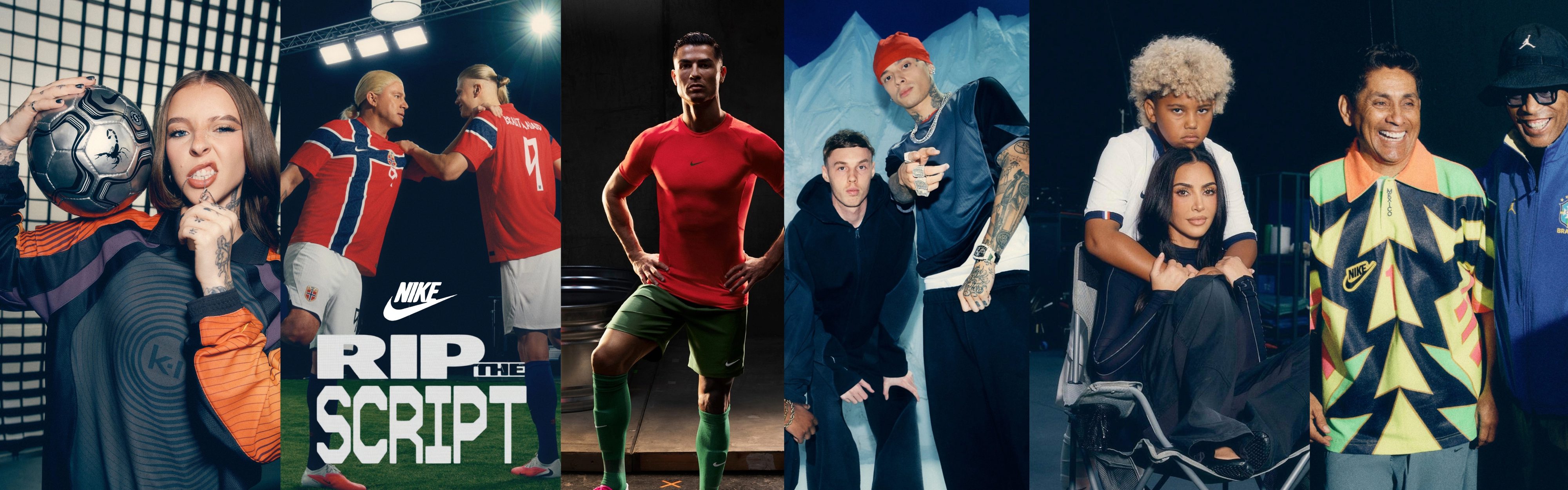
Nike: Rip the Script
Nike's hero spot features Ronaldo, Mbappé, Haaland and Vini Jr alongside a deliberately genre-spanning cast, LeBron James, Travis Scott, Kim Kardashian, Jason Sudeikis as Ted Lasso, Channing Tatum, Young Miko and Lisa, built around the idea of players trusting instinct over the coaching manual.
Football is the spine, but the cast is the strategy. By casting wide into music, film and pop culture, Nike makes sure the ad travels well beyond a football-only audience, exactly the cross-cultural reach a 48-nation, three-host tournament rewards.
Adidas: Backyard Legends
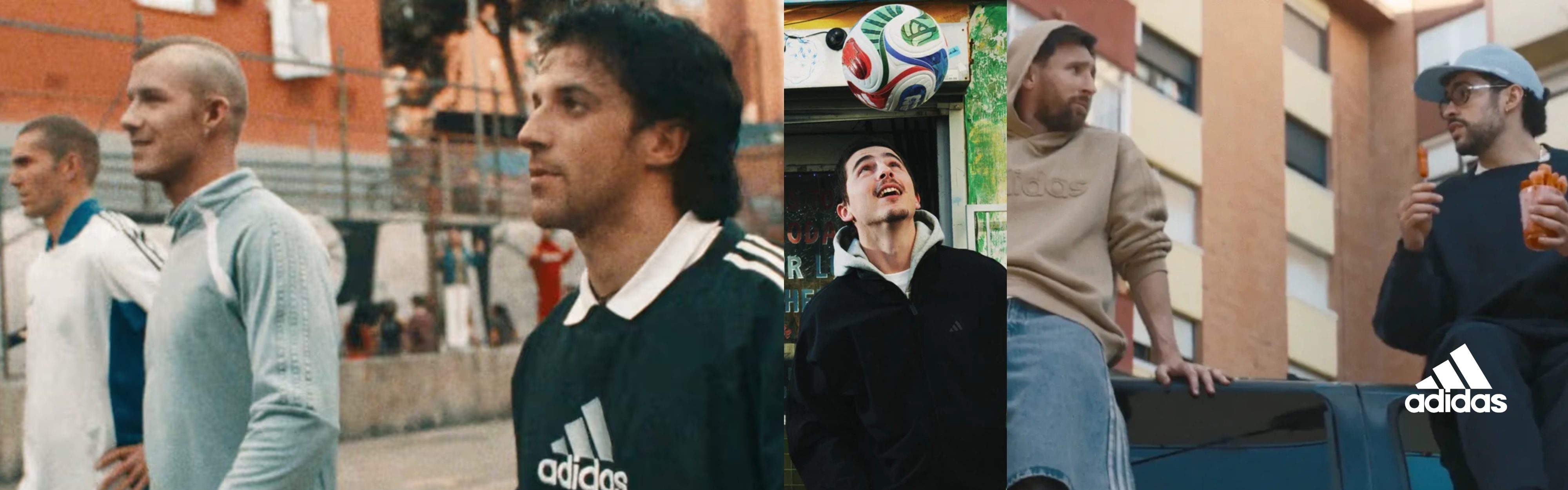
A five-minute cinematic short starring Timothée Chalamet, who recruits Jude Bellingham, Lamine Yamal and Trinity Rodman to take on a legendary, unbeaten street football crew. Messi, Bad Bunny and CGI de-aged versions of Beckham, Zidane and Del Piero are woven through. Reported budget around £50m.
It works because it reframes the World Cup as something that starts on a neighbourhood pitch, not a stadium. Chalamet and Bad Bunny bring their own fanbases into football's orbit, giving Adidas emotional reach into audiences who'd never watch a straight football ad.
LEGO: Everyone Wants a Piece
LEGO built individual minifigure sets of Messi, Ronaldo, Mbappé and Vinícius Jr, then filmed all four building a brick World Cup trophy together, before a child fan steps in and places the final piece on top. Messi's own repost hit 17 million likes and 180 million views in a single day.
The twist is the strategy. Handing the final, defining moment to a kid rather than any of the four superstars turns a celebrity stunt into something fans actually want to share, because it isn't about the brand or the players anymore. It's about them.
Restrictions are content opportunities, not crises. Levi's and Heinz both turned a rule designed to suppress their visibility into one of their most talked-about moments of the year.
You don't need the biggest budget to win the loudest moment. Paddy Power's ambush campaign and Heinz's taped-over label cost a fraction of Adidas's reported £50m short film, and both are generating just as much conversation.
Authenticity beats production value. Lay's shooting in a real supermarket, McDonald's leaning on Pulisic's actual childhood story, LEGO handing the ending to a fan rather than a superstar, the campaigns landing hardest are the ones that feel human, not staged.
Stretch your sponsorship across more than one ad. Home Depot turned one partnership into DIY content, paint, power tools and in-person fan experiences. That's PR thinking layered onto a media buy.
Earned attention beats paid placement. None of this list needed FIFA's permission to win the conversation. The brands paying the closest attention to the moment, not the biggest cheque, are the ones people are still talking about.
Why We're Telling You This
This is the same thinking we bring to every World Cup campaign we run, Classic Football Shirts included. You don't win attention during the biggest sporting event in history by outspending everyone else in the room.
You win it by being the fastest, sharpest, most human reaction to whatever's actually happening, and trusting that the story will travel further than any media buy could take it.
The tournament runs until 19 July. There will be more moments like this before the final whistle. We'll be watching and reacting, just as fast.