The best marketing campaigns don't just grab attention.
They give people a reason to find out more.
From unexpected brand collaborations to limited-edition products and real-world activations, Q3 2026 has delivered some seriously creative ways for brands to get people talking. Whether it's turning a fast-food favourite into breakfast cereal, bringing gaming into the real world or transforming an everyday location into a cultural moment, these campaigns show how brands can make themselves impossible to ignore.
At Rise At Seven, we're always looking at how creativity and search work together. Because a campaign doesn't stop working when someone scrolls past an advert. The next step might be a Google search, a TikTok deep dive, a conversation with friends or a question asked through AI.
So, we've picked out ten marketing campaigns from July to September 2026 that caught our attention. Spanning food, fashion, entertainment, technology and retail, here's what the brands did, why their ideas stand out and what marketers can learn from them.
We've selected these campaigns for their creative approach and potential to generate search interest. Where search uplift hasn't been independently verified, we explore the opportunity rather than claim a proven spike.
1. Asahi Super Dry turns Piccadilly Lights into an ever-changing work of art
Brand: Asahi Super Dry Campaign: The Infinite Can Launch: July 2026
What happens when you combine generative AI, an artist's creative vision and one of London's most recognisable advertising spaces?
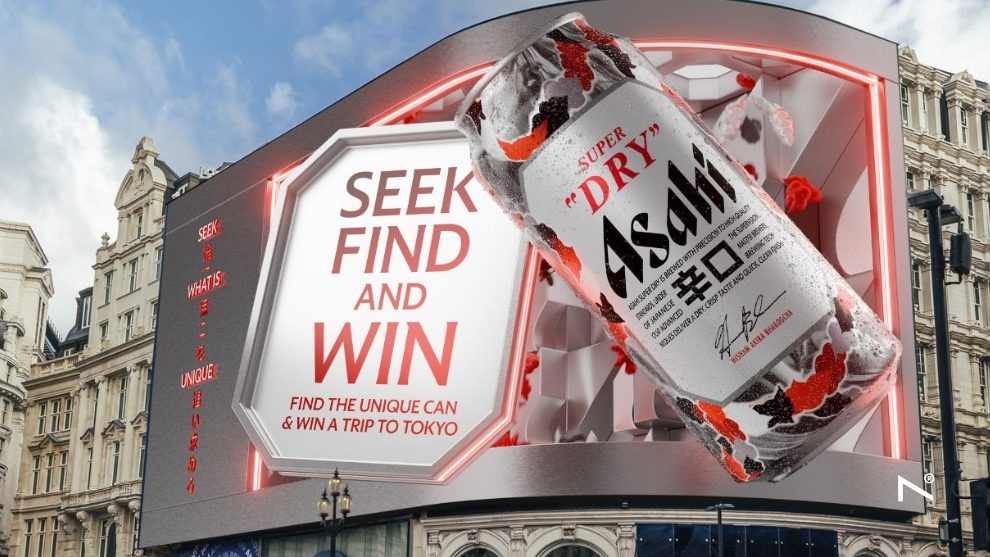
Asahi Super Dry's The Infinite Can brought together artist Hisham Akira Bharoocha and creative agency Havas London to create an outdoor advertising experience that was never quite the same twice.
Taking over Piccadilly Lights, the campaign showcased evolving artwork inspired by Japanese culture and Asahi's brand identity. Alongside the digital takeover, limited-edition packaging and a competition extended the idea beyond the billboard.
Rather than treating outdoor advertising as a static placement, Asahi created something people could return to and experience differently. The combination of a recognisable location, evolving creative and collectible packaging gave the campaign several reasons to travel beyond its original setting.
Why it works: Attention is easier to earn when the creative offers something new to discover. Pairing a high-profile physical placement with a participatory mechanic can extend a campaign beyond its original location.
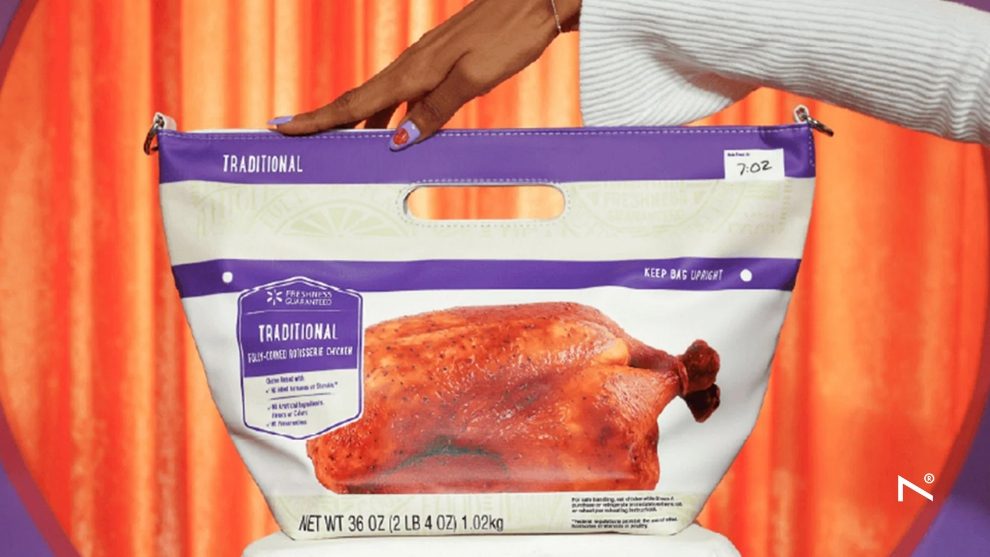
Walmart found an unlikely way to make one of its most familiar products a conversation starter: turning its famous rotisserie chicken into a handbag.
The concept took an everyday supermarket staple and placed it in a completely different context. Instead of competing with conventional fashion accessories, the product leaned into the absurdity of the idea itself.
The handbag reportedly sold out in 90 minutes, demonstrating the potential appeal of an unexpected product when it's distinctive enough to attract attention beyond a brand's existing customer base.
The search opportunity is equally interesting. When a product feels almost too strange to be real, people have an obvious next step: search for it, find out whether it exists and see if they can get one themselves.
Why it works: You don't always need to invent a new category to generate interest. Sometimes, putting an existing product into an unexpected context is enough to make people stop, share and investigate.
3. McDonald's and Xbox bring gaming's fictional food into the real world
Brands: McDonald's × Xbox Campaign: Side Missions Launch: August 2026
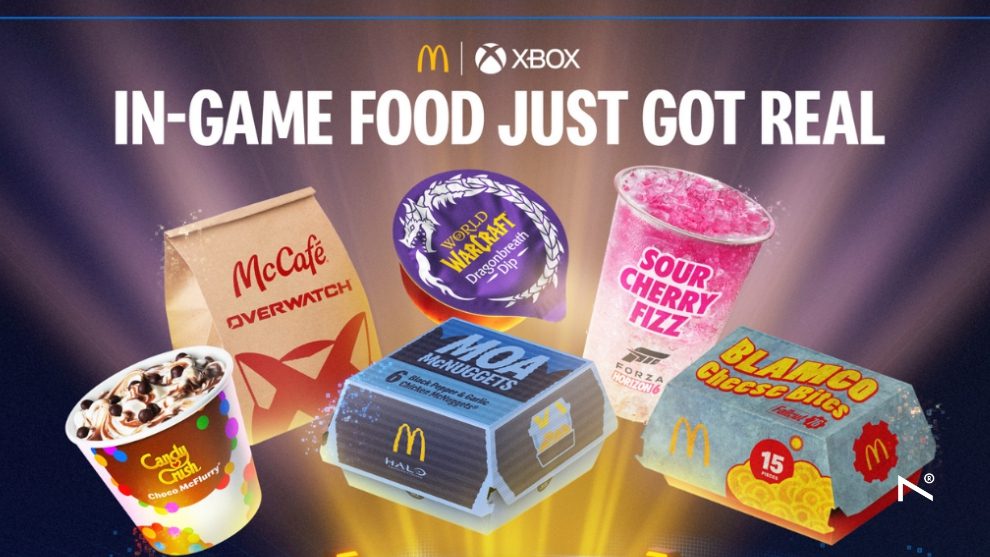
Gaming and fast food might seem like a natural pairing, but McDonald's and Xbox took the collaboration further than simply putting a gaming character on a drinks cup.
Their Side Missions campaign brought six gaming worlds into McDonald's restaurants through a limited-edition menu inspired by Halo, Fallout, Forza Horizon, Overwatch, World of Warcraft and Candy Crush.
The menu featured products inspired by the franchises, alongside in-app experiences and gaming rewards. The collaboration connected the digital worlds players already knew with something they could experience in real life.
The clever part is that the partnership gave fans something tangible to explore. They could try the food, look for references to their favourite franchises and investigate the rewards connected to the games.
Why it works: The strongest collaborations give both audiences a reason to participate. When brands translate something familiar from one world into another, they create natural curiosity and opportunities for discovery.
4. Fanta brings Ghost Face into its Halloween universe
Brands: Fanta × Ghost Face Campaign: Ghost Face Punch Launch: August 2026
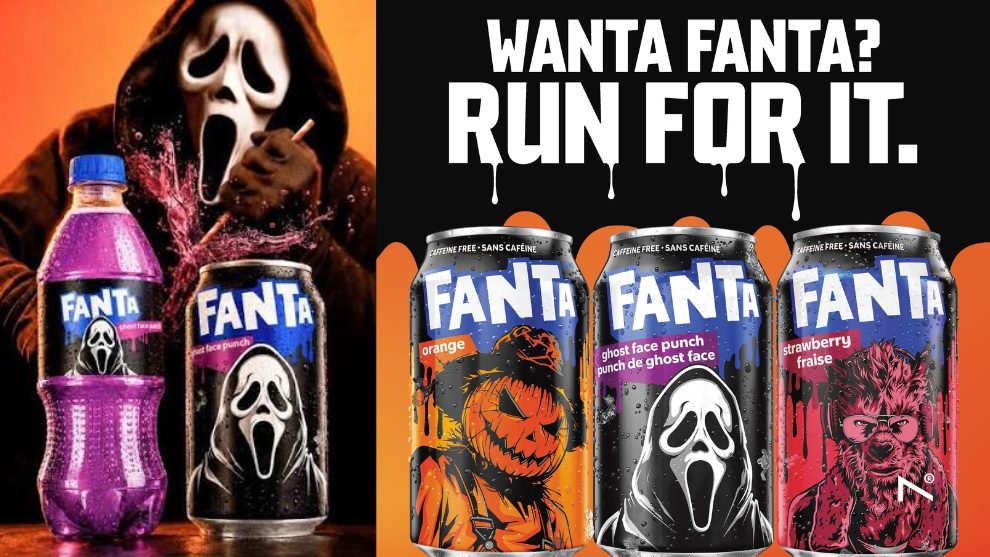
Halloween is a familiar marketing opportunity for food and drink brands. Fanta made its 2026 activity more distinctive by bringing one of horror's most recognisable characters into its own entertainment universe.
The collaboration introduced Ghost Face, from the Scream franchise, as a guest character in Fanta's Haunted Universe. Alongside the character crossover, the brand launched Ghost Face Punch, a limited-edition flavour accompanied by collectable can designs.
Rather than relying on seasonal packaging alone, Fanta built a wider story around its Halloween activity. Its Haunted Universe introduced original characters and cinematic creative, creating a platform that could grow beyond a single product launch.
The addition of Ghost Face gave the campaign an established character with an existing fanbase. It also connected the drink to a recognisable film franchise, creating several potential reasons for audiences to look up the collaboration, the flavour or the collectable designs.
Why it works: Brand partnerships can be more powerful when they contribute to a bigger story. A familiar character can attract attention, while original creativity gives the brand something of its own to build on.
5. Liquid Death and Garage Beer turn AI's water demands into an outrageous stunt
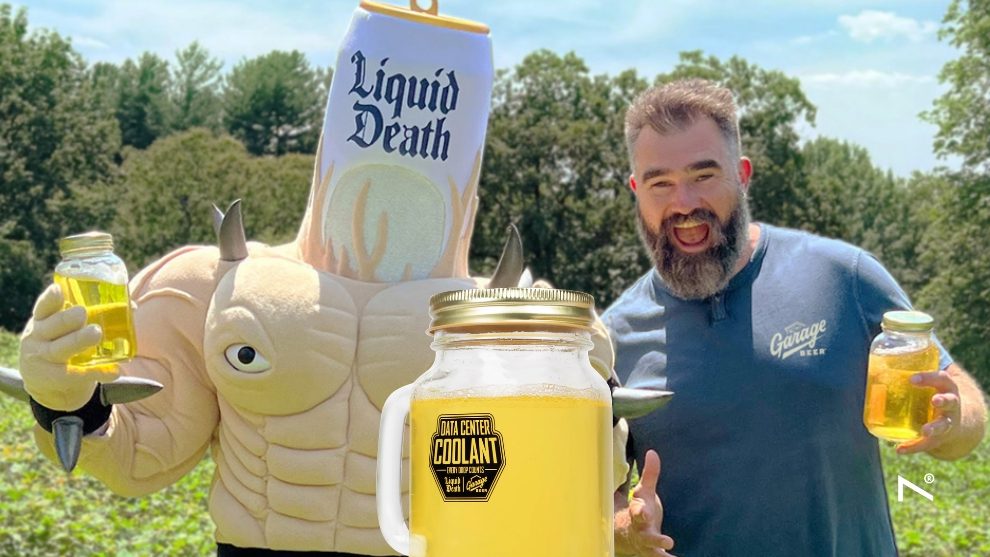
Brands: Liquid Death × Garage Beer Campaign: AI data centre satire Launch: August 2026
Liquid Death has built its identity around doing things differently, and its collaboration with Garage Beer continued that approach.
The brands used an intentionally outrageous music video to satirise the water demands associated with AI data centres, centring the idea on urine as an alternative cooling liquid. The concept extended into a collector jar and further live activations.
It's an example of brands taking a topic that already has public interest and finding an unexpected way to enter the conversation.
Rather than explaining the issue through a conventional awareness campaign, the brands used humour and shock value to create an idea that audiences could understand quickly and share easily.
The subject also gave the campaign relevance beyond the products themselves. People could engage with the joke, debate the underlying issue or investigate what the brands were trying to say.
Why it works: Cultural relevance can give a campaign a much wider entry point. The challenge is finding a creative angle that connects naturally to the brand, rather than attaching a logo to a trending topic.
6. KFC and Surreal put chicken-flavoured cereal on the breakfast menu
Brands: KFC × Surreal Campaign: KFCereal Launch: 22 September 2026
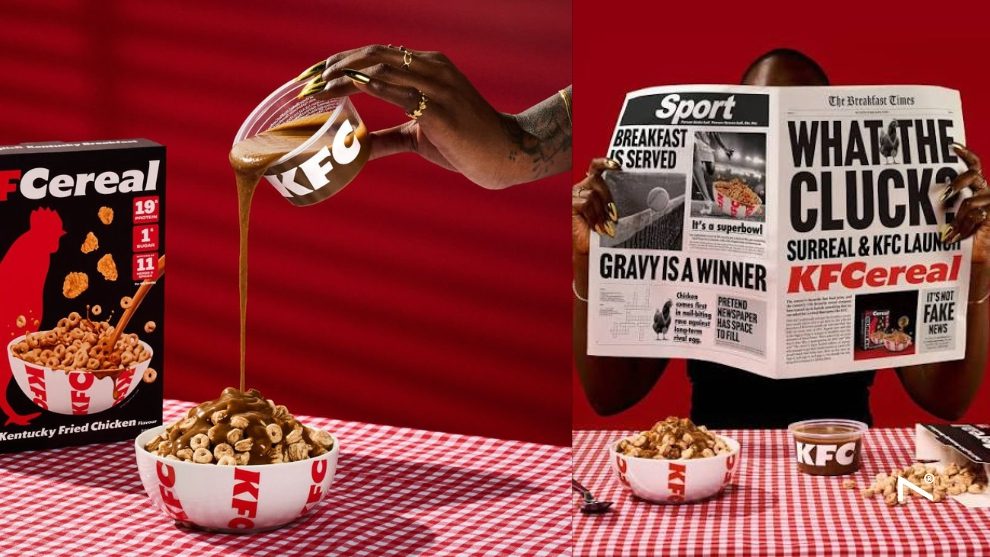
Cereal and chicken gravy probably aren't the first things you'd put together at breakfast. That's exactly why KFC and Surreal's collaboration got people talking.
The two brands teamed up to launch KFCereal, a limited-edition savoury cereal inspired by KFC's famous 11 herbs and spices. And rather than suggesting you pour milk over it, the brands encouraged customers to serve it with KFC gravy.
Launched during Freshers Week, the product was sold exclusively through Surreal's online shop while stocks lasted. The collaboration marked KFC's first move into breakfast cereal, bringing together its iconic flavour profile and Surreal's challenger approach to breakfast.
The idea was simple, surprising and instantly understandable. A familiar fast-food flavour had been put into a completely unexpected product category, giving people an obvious reason to share their reactions and find out whether they could get a box.
It also gave both brands an opportunity to reach beyond their usual categories. KFC could join a conversation about breakfast, while Surreal could tap into the recognition and cultural familiarity of one of the UK's best-known fast-food brands.
Why it works: Sometimes the product is the campaign. A surprising collaboration gives people an immediate reason to react, share and search for more information. Limited availability adds urgency, while a simple visual idea makes the story easy to communicate.
7. Duolingo takes its pronunciation lessons to New York Fashion Week
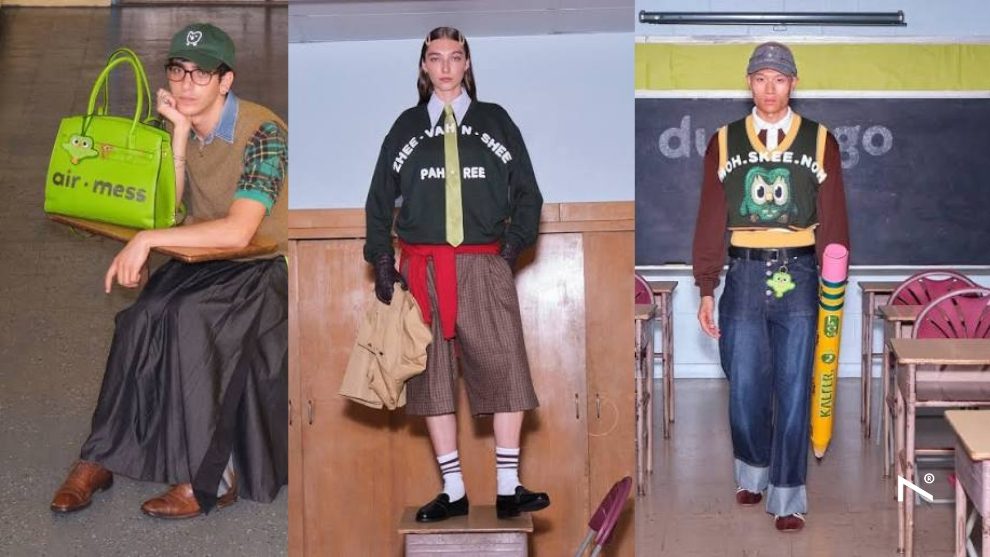
Duolingo has become known for making language learning part of internet culture. In September, it took that approach into fashion with a collection built around a familiar problem: knowing a designer's name without knowing how to pronounce it.
Created with designer Megan O'Cain, the seven-piece collection used phonetic spellings of luxury fashion labels, including Hermès and Loewe, across clothing and accessories.
The collection appeared at a New York Fashion Week pop-up, where visitors could bid using their Duolingo streaks for a chance to take pieces home.
The activation connected two audiences through a shared insight. Fashion enthusiasts might recognise designer names but feel less confident saying them aloud, while Duolingo had an opportunity to demonstrate the usefulness of language learning in an unexpected setting.
It also gave the brand a physical experience to support its digital identity. The collection could be photographed, discussed, shared and searched for well beyond the pop-up itself.
Why it works: The best brand extensions often start with a genuine audience insight. When an idea solves a recognisable problem in an unexpected way, it becomes more than a product placement or a logo-sharing exercise.
8. ITV transforms King's Cross into The Hunderground
Brand: ITV Campaign: The Hunderground Launch: September 2026
Some of the most effective activations take something people encounter every day and make it impossible to ignore.
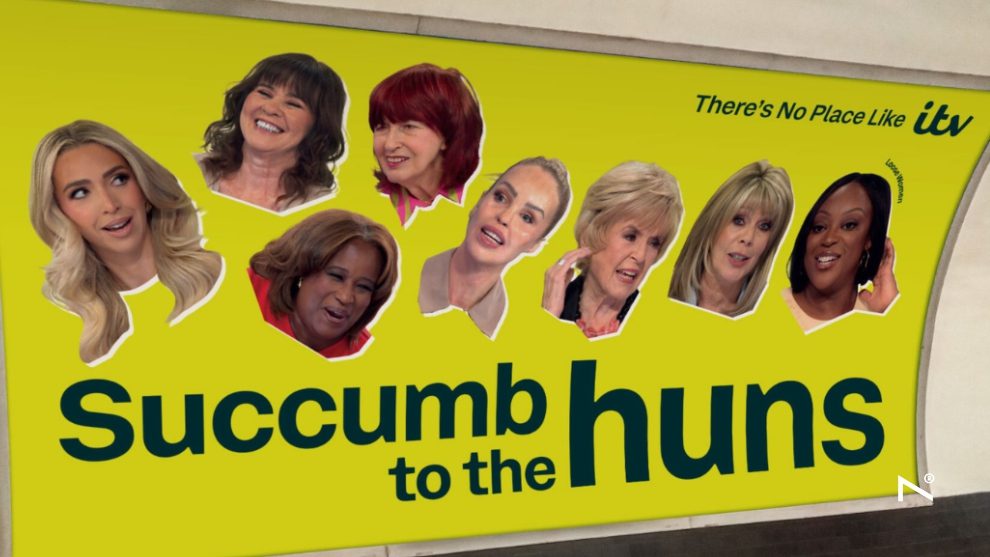
ITV's The Hunderground did exactly that, transforming King's Cross station into a playful celebration of British “hun” culture.
Using themed station signage and a recognisable cultural identity, the activation turned a busy transport hub into a branded experience designed to attract attention in the real world and create content for social channels.
The concept worked because it was rooted in a recognisable piece of culture. Rather than asking audiences to learn about an entirely new idea, it took a familiar identity and gave it a physical home.
That made the activation naturally suited to photographs, social posts and conversations. A station takeover can be experienced by commuters, but its reach can extend much further when people share it with audiences who weren't there.
Why it works: Real-world activations have the potential to generate a second life online. The best ones give people a clear reason to photograph, discuss or investigate what they've encountered.
9. The AA and Spider-Man take their partnership on the road
Brands: The AA × Spider-Man Campaign: Summer road-trip partnership Launch: July 2026
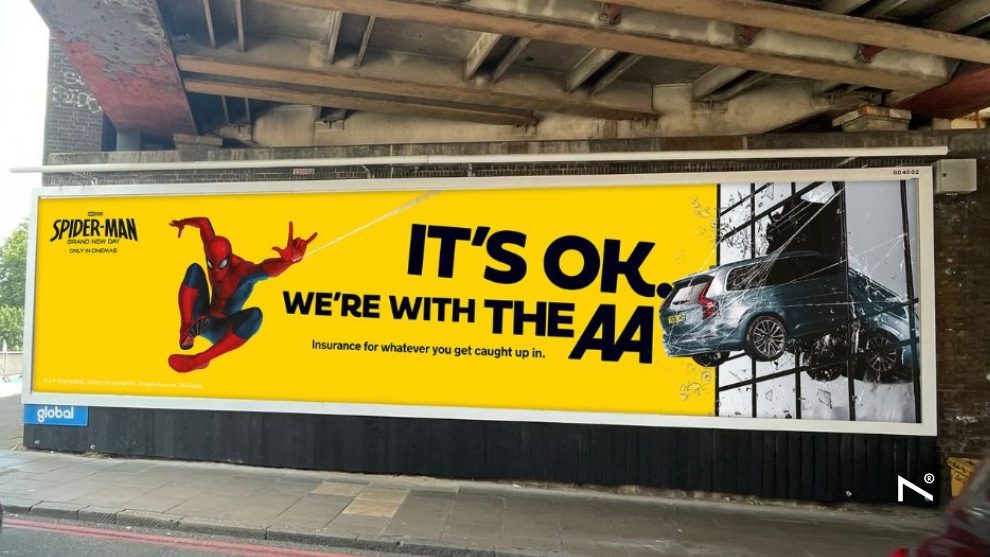
Summer road trips are a natural opportunity for a motoring brand to connect with its audience. The AA gave that message a more entertainment-led angle through its reported partnership with Sony Pictures around Spider-Man: Brand New Day.
The collaboration connected summer driving advice and road-trip activity with one of the world's most recognisable entertainment franchises.
It's a useful example of a brand trying to reach beyond its usual functional messaging. Rather than focusing exclusively on breakdown cover and roadside assistance, the campaign created a connection with a broader entertainment moment.
A recognisable film franchise can provide an additional reason for people to engage, while the road-trip theme gives the partnership relevance to the AA's core service.
Why it works: Partnerships work best when the two brands have a credible connection. A familiar entertainment property can help attract attention, but the activation still needs to reinforce what the brand offers.
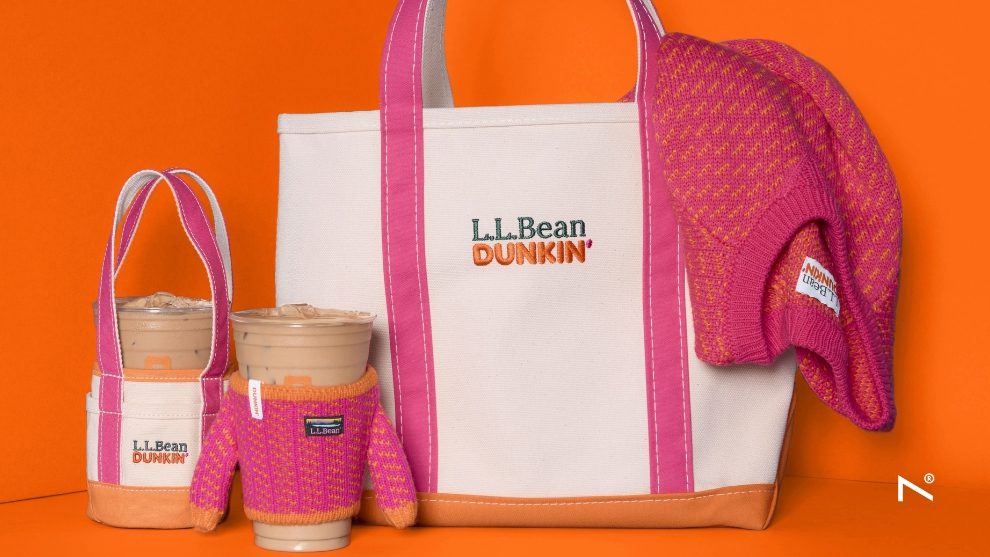
Dunkin' and L.L.Bean brought together two recognisable parts of American consumer culture: coffee and outdoor lifestyle.
The reported autumn collaboration combined Dunkin's familiar brand identity with L.L.Bean's outdoor heritage through limited-edition merchandise. The appeal came from the contrast between the two brands and the way the partnership connected with seasonal nostalgia.
Unexpected collaborations can create interest because they give audiences something they wouldn't ordinarily associate with either brand. They can also introduce each partner to a different audience, particularly when the products are limited edition.
For a collaboration like this, the product itself becomes part of the marketing. People may want to see what the collection looks like, find out when it launches or discover whether particular items are available.
Why it works: A successful collaboration doesn't have to combine similar products. Sometimes the contrast between two brands is what makes the idea interesting, provided both have a credible reason to be involved.
What do these campaigns tell us about search demand?
Across these campaigns, a few creative approaches stand out.
1. Unexpected combinations create curiosity
From McDonald's and Xbox to KFC and Surreal, collaborations can create a new reason to pay attention to brands people already know.
The contrast is often the hook. People want to see what happens when two familiar worlds collide, what the finished product looks like and whether the partnership is more than a social post.
2. Give people something to discover
Limited-edition products, collectible packaging, interactive experiences and changing creative all give audiences a reason to look for more information.
That doesn't guarantee a search spike, but it creates a clear pathway from awareness to action. The campaign catches someone's attention; the product, experience or story gives them a reason to investigate.
3. Make the campaign easy to share
Physical activations such as The Hunderground can reach audiences who never visit the original location. A striking visual, unexpected product or recognisable cultural reference gives people something to share with their own networks.
That wider conversation can create additional discovery opportunities across social platforms, search engines and other channels.
4. Connect creativity to an audience need
Duolingo's phonetic fashion collection demonstrates how a familiar audience problem can become a creative product. Meanwhile, collaborations such as KFC × Surreal show how brands can create interest by challenging category expectations.
Both approaches begin with an audience insight rather than simply asking how to make an advert more noticeable.
The best marketing campaigns give audiences something to do after they've seen the creative.
They might want to find a limited-edition product, learn more about an unexpected partnership, visit an activation or discover the story behind a viral moment. Whatever the trigger, the opportunity for brands is to connect creative attention with discoverability.
But there's an important distinction between a campaign generating conversation and a campaign demonstrably increasing search demand. To understand the real impact, marketers need to look beyond views, reach and social engagement.
Google Trends can help identify changes in relative search interest, while Google Search Console can reveal changes in impressions and clicks for relevant queries. Website analytics, social search behaviour and brand-lift research can add further context.
The aim is to understand not just whether a campaign got people talking, but whether it changed what they wanted to know and where they went to find it.
Because when creativity gives people a reason to search, brands need to be ready to show up.