Your customers’ search history should be shaping your 2027 marketing strategy
Share
If I were reviewing a marketing strategy for 2027, one of my first questions would be, where has customer search behaviour shaped this plan?
I’d want to see it in the creative briefs, the creator partnerships, the questions we’re answering and the way we measure success. Because there’s a gap I keep seeing. Brands have plenty of insight into what their customers need. It just reaches the people making the content too late. The idea has already been approved. The creator has been briefed. The video has been filmed. Then someone asks whether we can optimise it for search.
That’s usually when we find out the content doesn’t answer the question people are actually asking.
We need that understanding in the process before we spend the production budget.
For me, that’s where social search becomes a leadership conversation. It affects how we plan, how our teams work together and how we decide what deserves investment.
As we build our 2027 strategies, I think it deserves a much bigger role.
Search behaviour shows you something your personas can’t
I’ve worked across social and SEO, and I’m always struck by how much these teams could learn from each other.
Social teams understand communities, conversations and the content people respond to. SEO teams know the questions people actively want answered. Put those perspectives together and you get a far richer picture of your customer. Take a persona that tells you someone is 30, lives in a city and enjoys fitness. Useful context, but it won’t tell you what’s stopping them from buying a pair of running shoes today.
Their searches might.
They could be worried about blisters, unsure whether they need a different shoe for marathon training, or looking for reassurance that an expensive pair will last.
Each of those is a different need, and each gives us something specific to address.
There’s also a gap between what people share publicly and what they’re willing to ask a search bar. Money worries, health concerns, insecurities and questions they’d feel embarrassed asking elsewhere all influence their decisions.
Social listening and audience research still have a role. Search adds another layer, particularly around the things people need help with but don’t broadcast. And I would go as far as to say it provides context to the rest of the data.
That should influence more than the next social post. It can sharpen campaign messaging, website content, PR ideas and the objections we address throughout the customer journey.
The question matters. So does the kind of answer someone wants
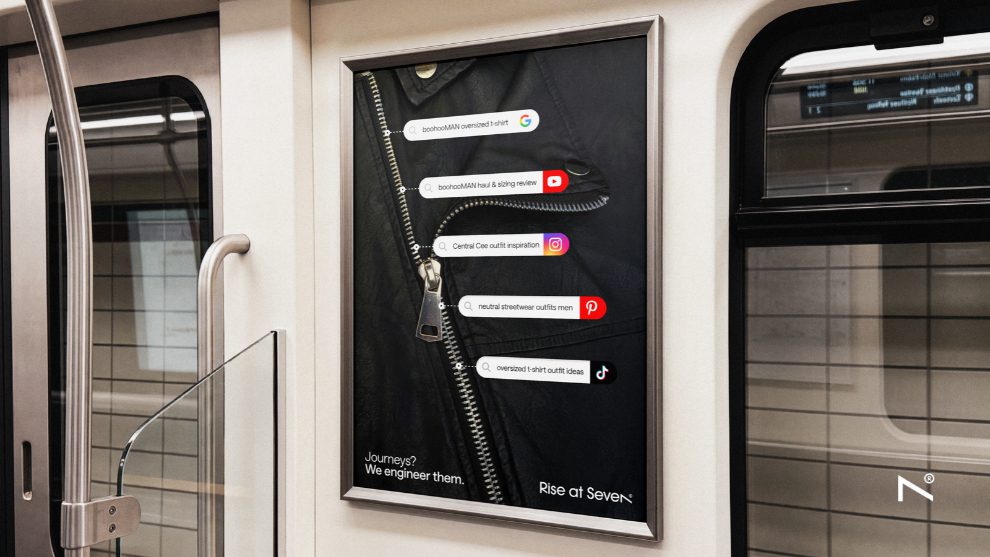
When I think about search across platforms, I think about the experience someone is looking for.
Do they want to see something demonstrated? Get a detailed explanation? Compare options? Hear an honest account from someone who has already tried it?
Someone researching running shoes might want to see how they look with an outfit, watch a review of how they perform over a long distance and read whether other runners found them comfortable. The same person can have all of those needs in a single purchase journey.
That’s why copying a message across channels and adding keywords only gets you so far. We have to understand what would make the answer useful in that environment.
A product demonstration might need to show the detail immediately. A complicated question might need time and explanation. A nervous buyer might need credible evidence and reassurance.
The creative brief should reflect that.
Before we produce anything, I want us to be clear on three things: what question we’re answering, who needs the answer and why our brand is qualified to give it.
If we’re struggling with those, the idea probably needs more work.
Creators need the insight before they make the content
This sounds obvious, but it has real implications for how we brief creators.
If we want content to help people researching a particular problem, the creator needs to understand that problem from the start: the context behind the search, the questions that matter and the outcome we’re after. Sending a list of keywords after the first edit creates avoidable friction. It means rewrites, reshoots and content that feels more awkward the more everyone tries to squeeze into it.
A better brief gives the creator a clear customer need and room to answer it in their own way. It should also change who makes the shortlist.
Follower count tells us something about an account’s audience. It doesn’t tell us whether someone can explain a subject, earn trust or help a customer make a decision.
We tested this by analysing more than 100 food-related searches on social platforms. Micro and nano creators dominated the results, and macro creators had the smallest share
I’d want to know who already understands the topic. Who answers the questions people care about? Who has credibility in the relevant community? Whose content would I find useful if I were researching this myself?
That can lead us to specialists and smaller creators we might otherwise overlook.
Useful content needs time to work
Social teams are used to moving quickly. There’s always another post, another trend and another request coming in. But when we create content around an enduring customer question, we should plan for it to stay useful well beyond the week it goes live.
That means building a body of content we can revisit and improve. Which questions have we answered well? Where are the gaps? What has changed? Which assets need updating?
Those assets should also support each other. A useful video might belong on a relevant website page. A question that keeps coming up in comments might deserve a fuller explanation. An existing answer might need a clearer demonstration.
That takes a different planning rhythm from filling next week’s calendar.
It also needs leadership support. We can’t ask a team to build lasting visibility while judging every post a success or failure after 48 hours.
Reporting has to reflect the job we’ve asked the content to do
If a piece of content is designed to help people find an answer through search, immediate engagement is only part of the picture. I’d want to know whether we’re appearing for the questions we’ve prioritised, whether people are finding and using the content, and what evidence connects that activity to business outcomes.
Those questions won’t always have neat answers. Different people see different results, and attribution needs care.
A rise in branded searches, for example, is a useful signal to investigate. On its own, it doesn’t prove which activity caused it.
What matters is a consistent approach, an honest view of its limits and a baseline to learn from.
For a team getting started, I’d keep the scope manageable. Choose a small set of meaningful customer questions. Look at what currently appears. Find where you can add something useful. Create the content and track what changes over time.
That gives you a practical starting point and evidence for the next decision.
The biggest change might be how your teams work together
For all the talk about platforms and algorithms, a lot of the opportunity comes down to internal communication.
Does your social team have access to search research? Does your SEO team know what creators are hearing from their audiences? Are your PR, paid and brand teams working from the same understanding of customer concerns?
And does that information arrive early enough to influence the work?
Sharing a report isn’t always enough. We need a process that turns insight into decisions: which questions we prioritise, what we create, who contributes and how we judge the result.
For CMOs planning 2027, I’d start by making it clear who owns that process.
For marketers and social media managers, I’d start with one real customer question. Take it to the people who can help answer it. Show what currently appears when you search, where the existing answers fall short and what your brand could add.
Your customers are already telling you what they need help understanding.
Let that shape the brief before anyone starts making the content.
Ray x
Written By
Ray Saddiq
Global Head of Marketing
Fri 30 Oct
Ray Saddiq is a leading voice in the world of Marketing SEO and social media known for connecting the dots between how people search and how they scroll. As Head of Marketing at Rise at Seven, he’s pioneered approaches that treat platforms like TikTok, Pinterest, and Instagram not just as content channels but as search engines.