The teams winning your AI visibility don't talk to each other
AI
Share
I was walking a client through their LLM audit this week. We'd presented the opportunities back as defend, grow and innovate. Halfway through, the marketing director started smirking. He'd realised that most of what we were telling them to grow, they were already doing.
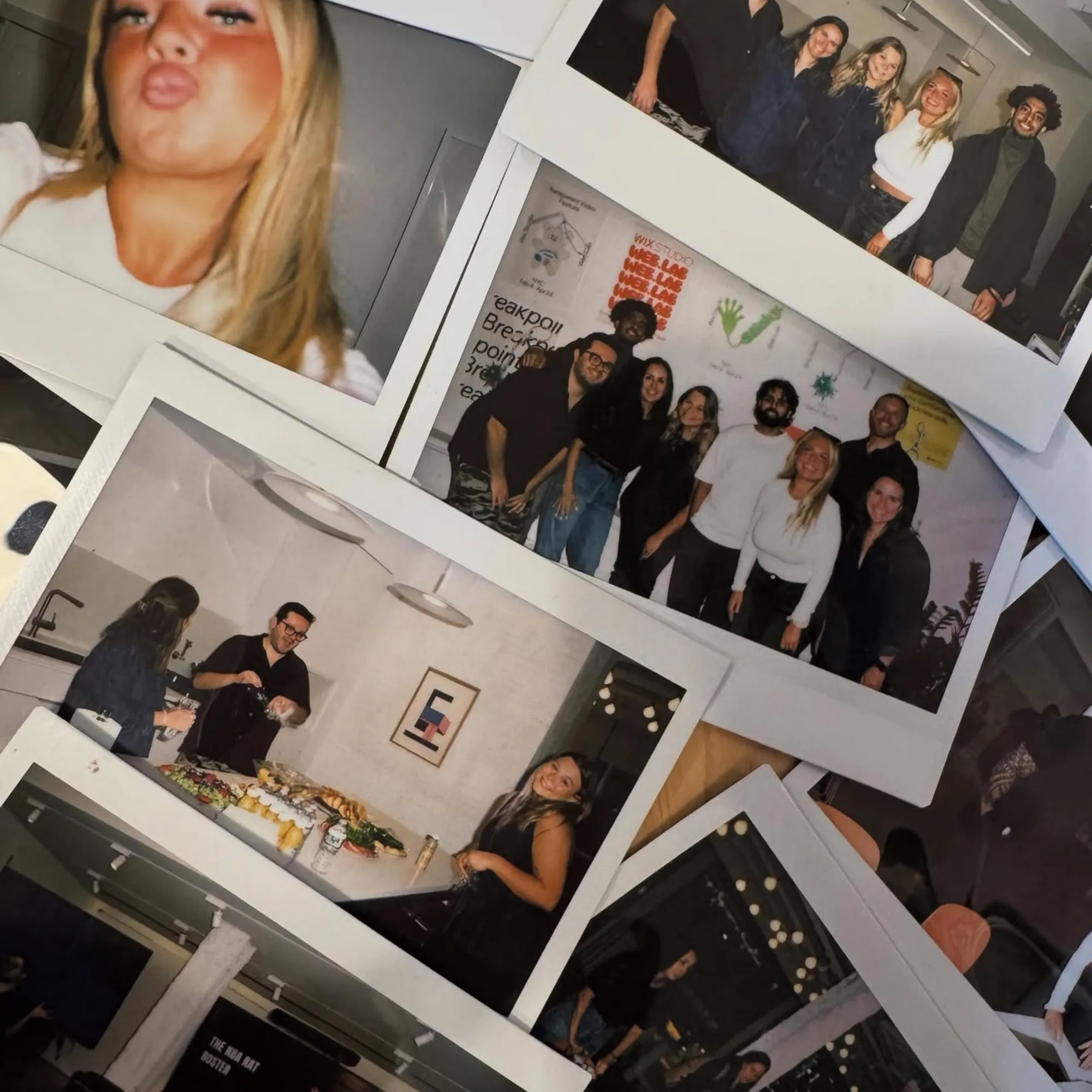
The university hackathon they sponsor every year. The supplier showcase they host. The MD's slot at the industry conference. All of it in the marketing calendar, all of it budgeted, all of it doing real work in the real world.
What they hadn't done was leave a digital footprint behind any of it that an LLM could find. So as far as AI was concerned, none of it had happened.
None of those moments ever belonged to the SEO team. The hackathon sits with brand partnerships. The supplier showcase lives somewhere between procurement and internal comms. The MD's panel slot is run by another department.
These functions have run alongside SEO for years without much reason to talk to each other, and that was kind of fine. Search engines didn't really care what happened in those rooms.
Our friends at Peec AI analysed thirty million sources cited by ChatGPT, Gemini, Perplexity, Google AI Mode and AI Overviews. The top ten most-cited domains: Reddit, YouTube, LinkedIn, Wikipedia, Forbes, G2, Yelp, Facebook, Medium and TechRadar. Not a single brand-owned property in the list.
Each of those has a different team owning it inside most brands. Forbes sits with PR. Wikipedia with comms. Reddit with community. LinkedIn and YouTube with social. G2 and Yelp with customer ops.
None of them have historically reported into SEO, and most of them still don't talk to SEO.
Digital PR teams have been getting clients into Forbes and TechRadar for years. The work hasn't changed. What's changed is what those placements do once they're live. They're now the signal LLMs use to decide who to recommend.
The brands winning AI visibility at the moment tend to be the most documented in the places LLMs trust.
You can have years of real standing in a category and lose to a competitor who's been more deliberate about getting that standing on the record.
I had this confirmed from the buyer side at the weekend. I took my family and the dog up to Hadrian's Wall and did all my research in Gemini. Every accommodation suggested either didn't fit what we needed or was booked out.
I gave up, went back to Google Maps like the old days, and found a brilliant little glamping pod with availability in the right area.
Completely invisible to Gemini; presumably because nobody had blogged about it, it wasn't in a listicle and no creator had ever stayed there. (DM me if you want the location, I won't gatekeep.)
The fix for my client wasn't a content programme or new partnerships. It was getting the team running the hackathon, the team owning the supplier relationship, the team briefing the panels and the team thinking about AI visibility into the same conversation. They can now structure the deliverables behind those partnerships differently and strengthen their entity in the eyes of an LLM along the way.
For me, this is the strongest structural argument I've seen for breaking marketing silos in years. Partnerships, sponsorships, internal comms, trade body activity. All of it is now signal LLMs use to work out who you are. SEO teams were never part of those conversations. That gap was harmless once. I'm not sure it is anymore.
We're hearing from a lot of brands facing hard questions from their board around LLM visibility, and most of the answers are cross-channel work across SEO, PR, social and content. If you're sat looking at that gap and trying to work out where to start, drop us a message.