The Best Travel Marketing Campaigns That Changed How We Discover Destinations
Share
Need inspiration? Sounds like we all do after how travel marketing has changed.
Don't worry, here at Rise At Seven. We've been working with the biggest travel brands in the world, the ones that want to build creative campaigns and we love inspiration.
The campaigns that capture attention today aren’t simply beautiful TV adverts or glossy destination videos. The best travel brands are creating moments people actively search for, share with friends, save for later and rediscover across TikTok, Instagram, YouTube and Google.
Discovery has become fragmented.
People don’t just search “best places to visit in Italy” on Google anymore. They search TikTok for hidden gems, YouTube for itineraries, Instagram for inspiration and Reddit for honest recommendations before they ever reach a booking site.
That means the campaigns making the biggest impact are no longer just creative they’re engineered to travel across platforms.
In this roundup we’ve collected some of our favourite international travel campaigns from airlines, hotels, tourism boards and travel brands that successfully combined creativity with discoverability.
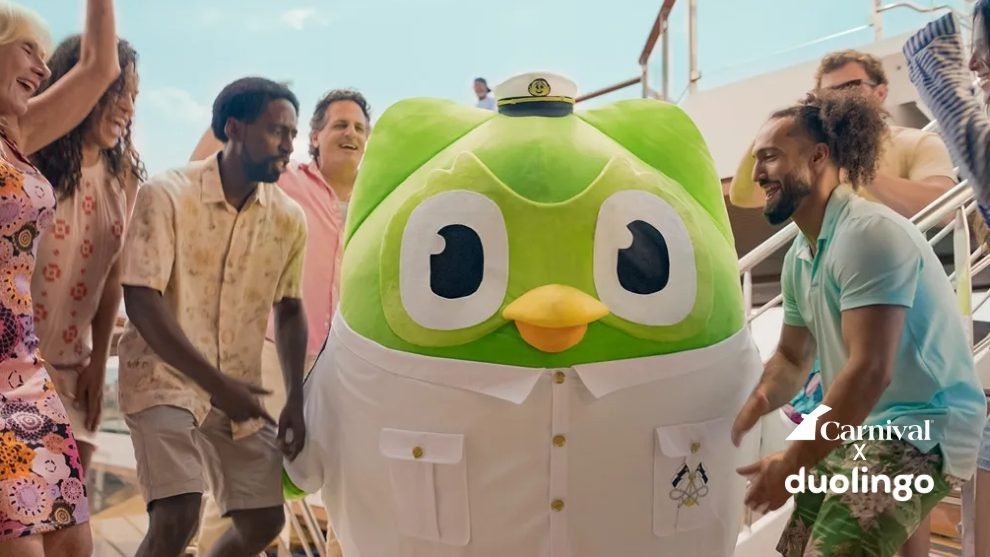
1: Duolingo x Carnival Cruise Line – The 5-Year Cruise
The internet's favourite green owl teamed up with Carnival to give away a five-year cruise. Rather than feeling like a travel promotion, the campaign leaned into Duolingo's chaotic social personality.
🛳️ A fictional 5-year cruise visiting 195 countries
🌍 Travel across all 7 continents
🗣️ Learn 40+ languages with Duo onboard
🎥 Hero campaign film, fake booking site and social content
📱 Huge organic engagement across Instagram, LinkedIn, TikTok and Reddit as people debated
This is a brilliant example of two brands fully committing to a ridiculous creative idea. Rather than simply announcing a partnership, Duolingo and Carnival created a campaign that people wanted to investigate, share and discuss. It blurred the line between reality and satire, played perfectly into Duo's online persona and generated conversation far beyond the travel industry. It proves that the most memorable travel marketing doesn't always have to sell a destination; it just has to create a moment people can't ignore.
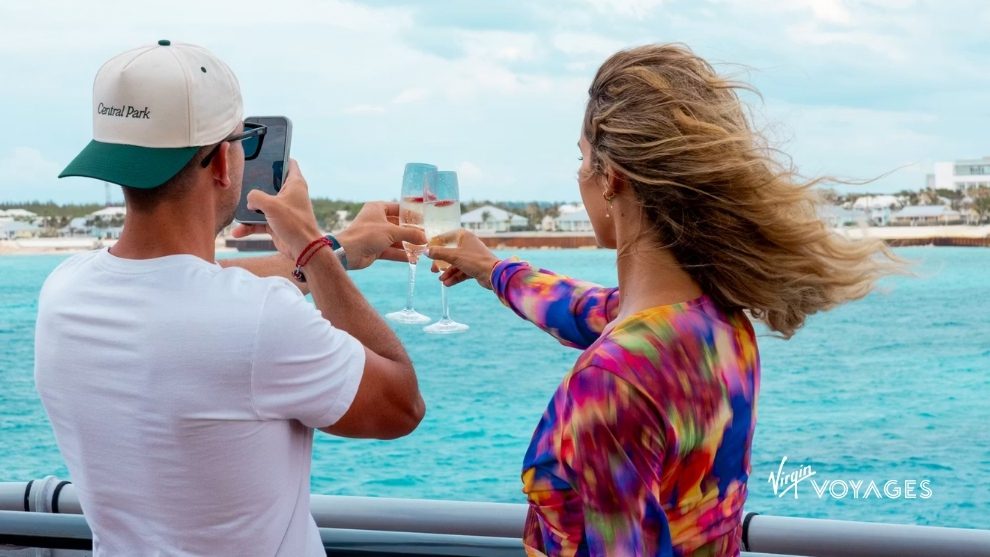
Virgin Voyages partnered with TikTok to hand over an entire cruise ship to 1,103 creators, transforming a three-night sailing to the Bahamas into a floating content festival. Rather than inviting a handful of influencers, Virgin built an experience designed to generate thousands of authentic perspectives across food, travel, wellness, entertainment and lifestyle.
The ship itself became the campaign, with creator workshops, immersive brand activations, live performances (including GRYFFIN at Virgin's Beach Club in Bimini), and appearances from Sir Richard Branson. Every element was designed to be filmed, shared and discovered on social media.
Generated:
🚢 1,103 TikTok creators onboard
🎥 20,000+ pieces of content created
👀 236 million+ views across social platforms
📈 696% increase in TikTok-referred website traffic
❤️ 396% growth in brand engagement
📱 386% increase in follower growth
🔍 21% lift in organic search
🌍 270% increase in unique viewers across platforms
Why we love it
This wasn't an influencer trip, it was a creator ecosystem. Instead of controlling the narrative through polished advertising, Virgin Voyages empowered over a thousand creators to tell their own stories, generating an enormous volume of authentic content that reached audiences far beyond traditional travel marketing. It's a brilliant example of how travel brands can create a cultural moment rather than simply promote a product.
3: Visit Iceland x Joe Thomas – The Auroras
Probably one of the most entertaining destination campaigns of the year.
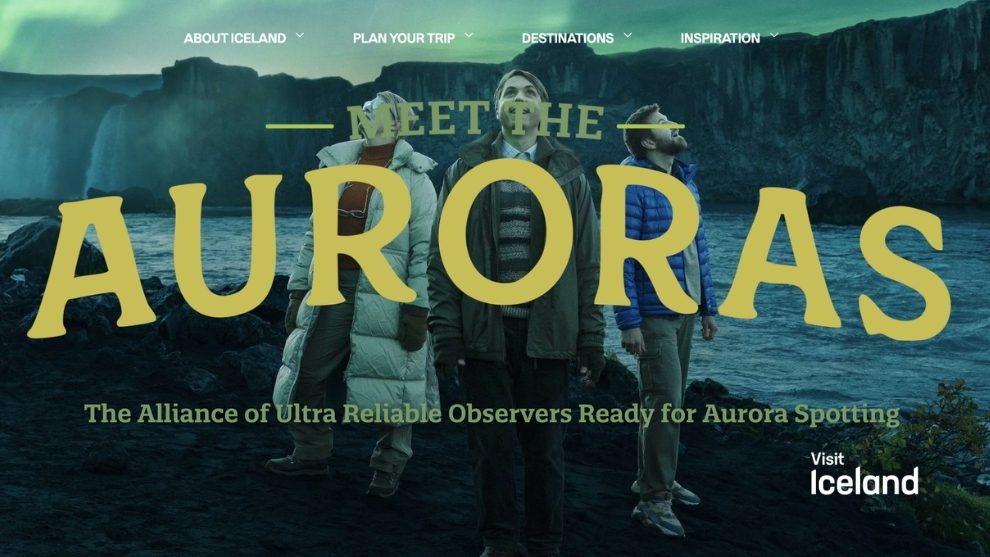
Rather than creating another cinematic tourism advert, Visit Iceland launched a mockumentary starring Joe Thomas (The Inbetweeners) as Nigel, the overly enthusiastic founder of A.U.R.O.R.A.S., the Alliance of Ultra Reliable Observers Ready for Aurora Spotting. The fictional club exists to help travellers prepare for seeing the Northern Lights, blending genuine travel advice with dry British humour.
The campaign extended far beyond a single film, with an interactive microsite where visitors could take an entrance exam, become an official member of the A.U.R.O.R.A.S. and enter a competition to win a trip to Iceland. By turning a tourism campaign into an experience, Visit Iceland made audiences want to participate rather than simply watch.
Highlights
🎬 Mockumentary starring Joe Thomas
🌌 Promoted Iceland as one of the world's best places to see the Northern Lights
📝 Interactive membership test and certification
✈️ Competition to win a trip to Iceland
😂 Entertainment-first storytelling that barely feels like advertising
❄️ Timed to capitalise on growing interest in astrotourism and a 92% increase in UK searches for Iceland.
Why we love it
Most tourism campaigns focus on spectacular scenery. Visit Iceland took a completely different approach by making the people chasing the Northern Lights the story. The self-aware humour, brilliant casting and mockumentary format make the campaign genuinely enjoyable to watch, while subtly educating viewers on how and when to experience the aurora. It's proof that destination marketing doesn't need to look like destination marketing to be effective.
4. Expedia x IShowSpeed "Going Places with IShowSpeed"
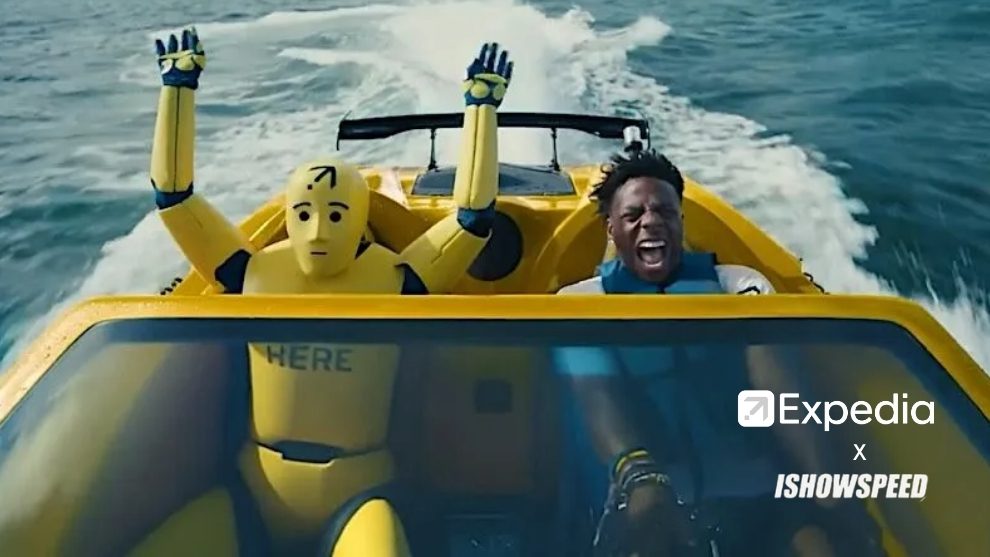
Rather than hiring a creator to post a few sponsored videos, Expedia made IShowSpeed its Official Travel Partner and built an entire campaign around how Gen Z discovers travel. The partnership launched with a 12-hour livestream as Speed attempted to visit four Caribbean islands in a single day, travelling by plane, boat, jet ski and buggy, all powered by Expedia. It was less of an advert and more of an internet event that millions could watch unfold live.
The campaign didn't stop there. Expedia launched Exspeedia.com, a dedicated microsite where fans could explore Speed's trips, shop the exact hotels, flights and experiences featured in his content, vote on where he should travel next and even enter to meet him in person. Later phases evolved into "Going Places with IShowSpeed", turning every activity in the campaign film into a fully bookable experience.
Generated:
🌍 Reached 400 million+ people across social platforms
🎥 12-hour livestream across YouTube and Twitch
✈️ Visited 4 Caribbean countries in one day
👥 Leveraged IShowSpeed's audience of 150M+ followers
🔍 Search demand increased for featured destinations:
+70% for St. Maarten
+50% for Guadeloupe
+35% for Dominica
Why we love it
Expedia recognised that Gen Z doesn't discover travel through polished TV adverts; they discover it through creators they already trust. Instead of interrupting that behaviour, Expedia became part of it. By giving IShowSpeed complete creative freedom and making every destination instantly bookable, the campaign blurred the lines between entertainment, livestreaming and ecommerce. It's a brilliant example of how travel brands can transform creator content into measurable travel demand.
5: Delta "From Altitude to Arrival" (Milano Cortina 2026)
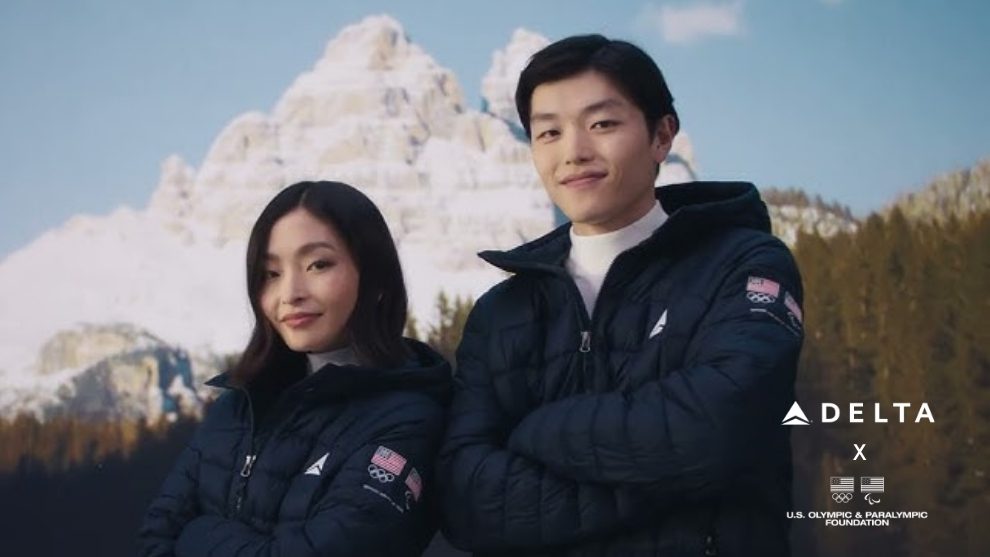
As the Official Airline of Team USA, Delta launched From Altitude to Arrival, a campaign celebrating the journey to the Milano Cortina 2026 Winter Olympics. Rather than focusing on aircraft or destinations, Delta positioned itself as an integral part of every athlete's journey, telling emotional stories about the commitment, sacrifice and resilience required to reach the world's biggest sporting stage.
The campaign centred around three beautifully crafted hero films, Altitude, Commit to Fly and What We Carry, each using aviation as a metaphor for the Olympic journey. Alongside the films, Delta created athlete-led social content, an interview series hosted by Serena Kerrigan, exclusive in-flight entertainment and large-scale out-of-home advertising across major US cities. It transformed an airline sponsorship into a storytelling platform rather than a traditional brand campaign.
Highlights
✈️ Three cinematic hero films: Altitude, Commit to Fly and What We Carry
🥇 Built around Delta's partnership as the Official Airline of Team USA
🎥 Athlete-led storytelling instead of product advertising
📱 Social content featuring Team USA ambassadors and behind-the-scenes moments
🛫 Exclusive Olympic content available onboard through Delta Studio
🏙️ OOH campaign across New York, Los Angeles, Boston, Atlanta and Seattle
Why we love it
Most airline campaigns focus on the destination. Delta focused on the journey itself. By drawing parallels between elite athletes and the experience of flying, the campaign elevated Delta from a transport provider to a partner in achieving extraordinary ambitions. The creative feels premium, emotional and cinematic throughout, proving that sponsorships can tell meaningful stories rather than simply displaying logos.
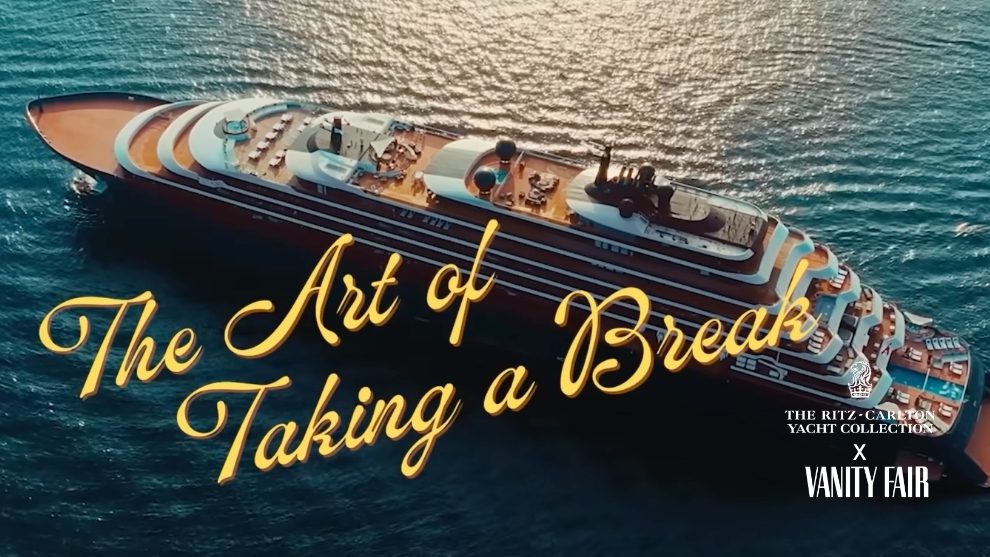
6: Ritz-Carlton Yacht Collection x Sarah Michelle Gellar X Vanity Fair "The Art of Taking a Break"
Rather than promoting itineraries or onboard amenities, The Ritz-Carlton Yacht Collection partnered with Vanity Fair to explore a much bigger idea: how to truly switch off. The campaign launched with actress Sarah Michelle Gellar, who shared her personal "rules" for slowing down while sailing aboard the yacht, transforming a luxury cruise into a lesson on intentional travel rather than another aspirational holiday advert.
Produced in Vanity Fair's signature editorial style, the long-form video feels more like premium lifestyle content than branded advertising. Instead of selling cabins, it sells a mindset, positioning travel by sea as an antidote to always-on culture. The campaign marked the beginning of a wider content series exploring how slowing down can lead to richer travel experiences, reinforcing The Ritz-Carlton Yacht Collection's premium positioning.
Highlights
🛥️ Partnership between The Ritz-Carlton Yacht Collection and Vanity Fair
🎬 Editorial-style long-form film featuring Sarah Michelle Gellar
🧘 Built around the concept of "The Art of Taking a Break"
📖 Luxury storytelling instead of traditional destination marketing
🌊 Positions slow travel as the ultimate luxury
✨ Multi-platform campaign across editorial, social and branded content
Why we love it
Luxury travel marketing often falls into the trap of showcasing beautiful destinations and expensive amenities. This campaign does neither. Instead, it taps into a universal cultural insight: we're all struggling to slow down. By partnering with Vanity Fair, The Ritz-Carlton Yacht Collection borrowed the credibility of a premium lifestyle publication and created something audiences would happily watch even if they had no intention of booking a yacht. It's a brilliant example of content marketing disguised as editorial, proving that the most effective luxury campaigns sell a feeling before they sell a product.
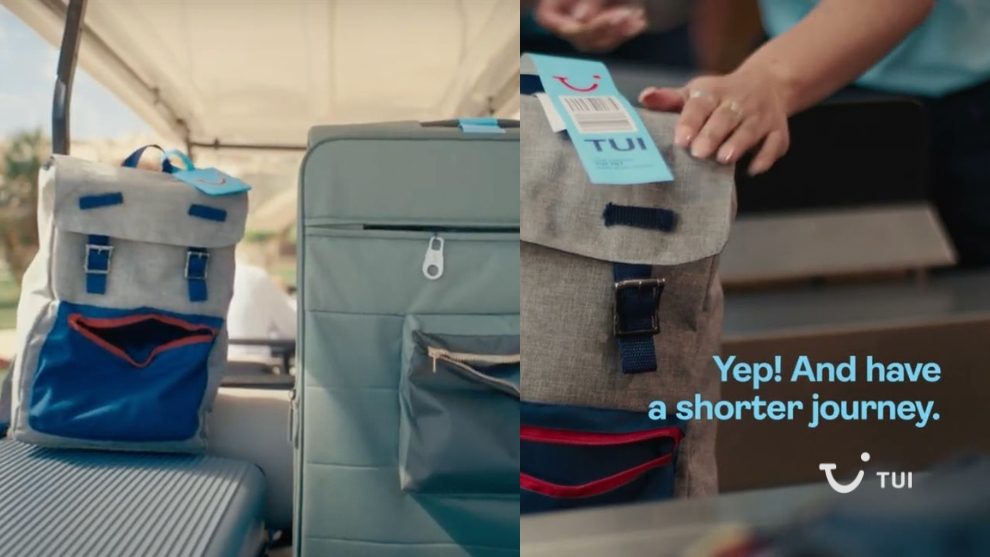
7: TUI - Happy Bags
One of the most unexpected travel campaigns of 2026.
Instead of another sunshine advert, TUI leaned into one of the least glamorous parts of travelling: luggage. The campaign centred around "Happy Bags", turning suitcases into the heroes of the journey and using playful storytelling to celebrate the excitement of packing for a holiday. It was supported by TV, social, PR and retail activations, becoming one of TUI's biggest integrated campaigns of the year. The campaign resonated because it focused on the emotional anticipation of travel rather than the destination itself, proving that excitement begins long before take-off. It went on to win Gold for Best Creative Campaign at the 2026 Travel Marketing Awards.
Why we love it
Turns an everyday travel behaviour into a creative platform
Strong visual identity
Fully integrated campaign
Emotional storytelling over destination selling
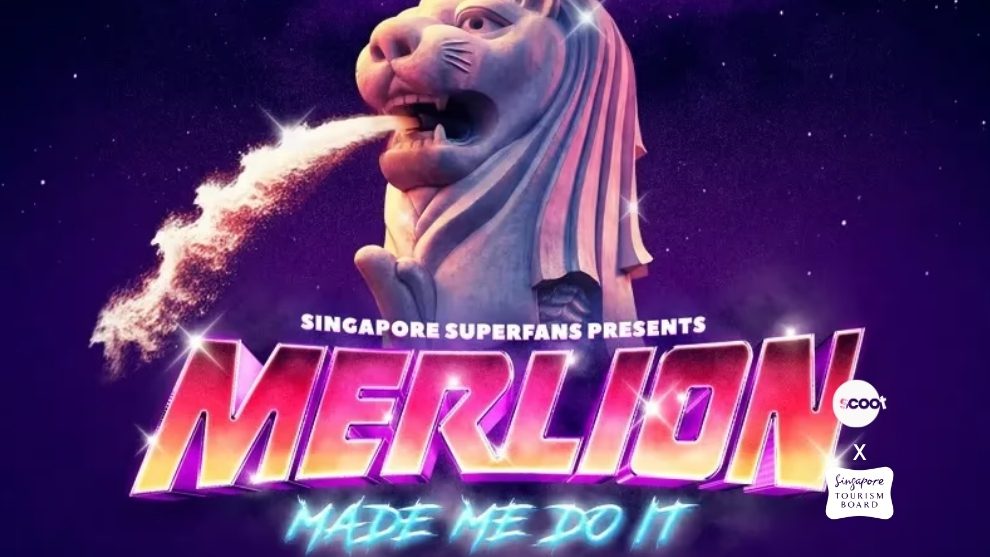
8: Singapore Tourism Board x Scoot - Merlion Made Me Do It
Singapore transformed one of its most recognisable landmarks into the star of the campaign. Rather than simply advertising attractions, the Merlion became a mischievous social character encouraging visitors to explore lesser-known parts of the city through the #MerlionMadeMeDoIt challenge. The campaign combined creator partnerships, social-first content, competitions and a dedicated microsite, giving people a reason to interact instead of simply watching an advert.
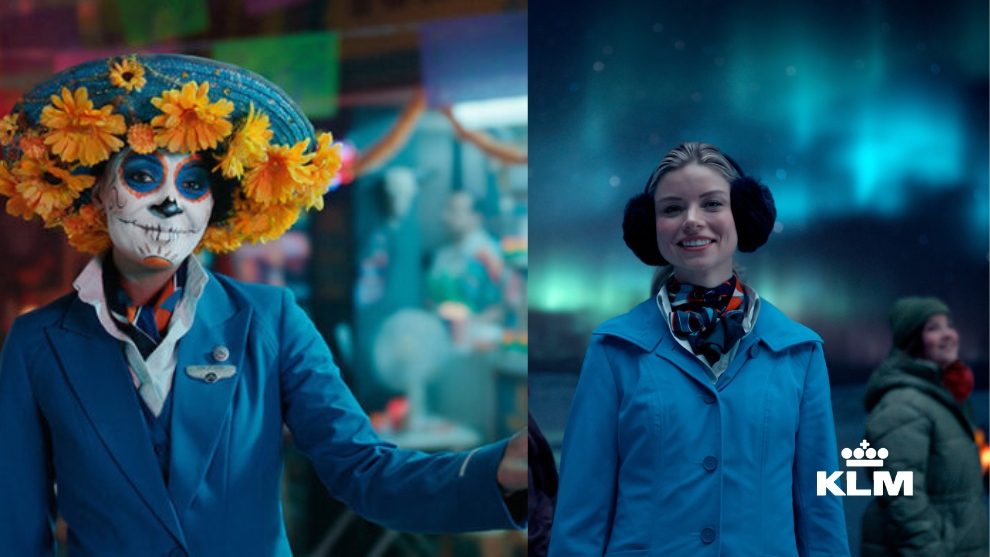
KLM's latest brand platform reimagined one of the most recognisable moments in flying—the safety demonstration.
Instead of instructing passengers on what to do in an emergency, cabin crew delivered a series of "Travel Well Instructions", encouraging travellers to collect unforgettable moments once they landed. The result was an emotional hero film that shifted the focus away from aviation and onto meaningful travel experiences.
Highlights
✈️ Reimagines the safety briefing
🎬 Emotional hero film
👩✈️ Features real KLM cabin crew
❤️ Focuses on memories instead of destinations
🌍 Continues KLM's "Travel Well" positioning
Why we love it
It's a beautifully simple creative twist. Every passenger already pays attention to the safety briefing, so KLM transformed that familiar ritual into an emotional storytelling device.
How Parkdean Resorts Owned the Entire Discovery Journey
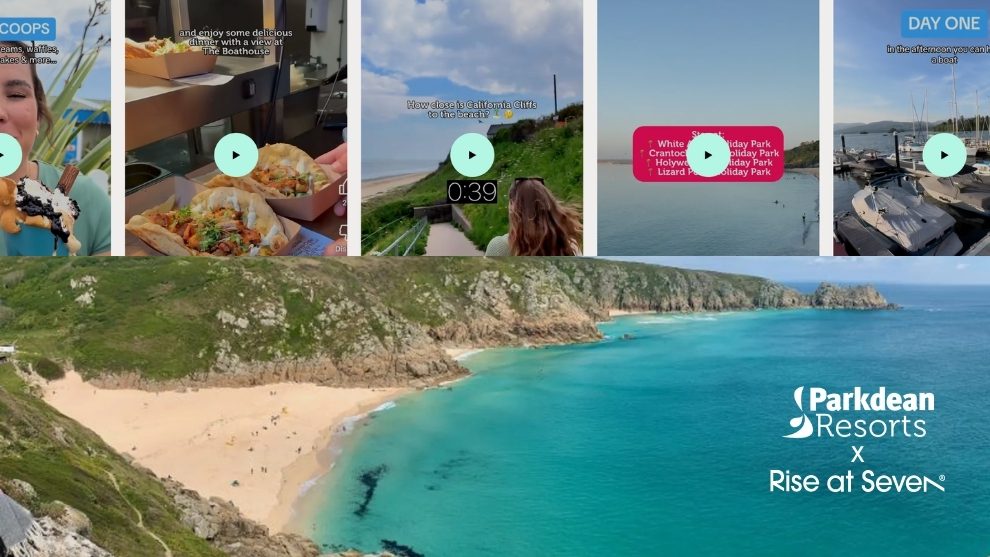
One of our favourite examples isn't a single campaign at all. It's how Parkdean Resorts connected multiple channels into one discovery ecosystem for UK holidaymakers.
Before families book a UK holiday, someone usually creates a WhatsApp group
The insight started with a simple behavioural observation: before families book a UK holiday, someone usually creates a WhatsApp group. That's where destinations get shared, recommendations get exchanged, itineraries get planned and, inevitably, memes and GIFs get sent. Rather than waiting for people to search "holiday parks", we looked for ways to become visible much earlier in that journey.
That thinking led to more than 400 search-optimised GIFs, built from Parkdean's existing video content. Each one was tagged around real search behaviour: terms like "Friday feeling" and "sliding into the weekend", the moments people were already searching for on Giphy. Within three months, those GIFs generated 10.7 million views with virtually no competition from other travel brands, and contributed to a 27% increase in branded search.
That was only one piece of the puzzle.
Alongside it, we built a search-first content strategy across TikTok, Google and YouTube, built around the questions people were already asking. Rather than chasing viral entertainment, we focused on high-intent searches such as "Things to do in Newquay" and "Things to do in Lake Windermere", helping Parkdean secure number one rankings across multiple platforms. The strategy lifted sessions by 92.5% and grew organic video views from 1.5 million to 9.8 million.
The lesson: great travel marketing doesn't live on one channel anymore. The most effective campaigns create discoverable moments wherever travellers are already looking, whether that's inside a WhatsApp conversation, a TikTok search for destination ideas, a YouTube itinerary, press coverage or a Google search. Rather than treating PR, social and search as separate disciplines, Parkdean proved that the biggest results come from engineering visibility across the whole customer journey.
If there's one thing these campaigns prove, it's that the way people discover travel has fundamentally changed.
The best travel marketing is no longer confined to a 30-second TV advert or a glossy brochure. It's a mockumentary starring Joe Thomas, a five-year cruise dreamed up by Duolingo, a creator taking millions of followers on a Caribbean adventure, or an entire cruise ship transformed into a floating content festival. These campaigns aren't just designed to be seen—they're designed to be searched for, shared, talked about and remembered.
As search behaviour continues to evolve across Google, TikTok, Instagram, YouTube and AI-powered discovery, travel brands have a huge opportunity to rethink how they show up. The brands winning attention aren't simply promoting destinations; they're creating cultural moments that travel far beyond the campaign itself.
At Rise at Seven, that's exactly how we approach travel marketing. By combining search, social, PR and creator strategy, we help brands build campaigns that don't just capture attention, they create discoverability across every stage of the customer journey.
Because the best travel campaigns don't just inspire people to book a trip. They become part of the journey before it's even begun.
If you are a travel brand looking for inspiration on your next campaign, our in-house experts have picked some of their favourite campaigns.
Ray Saddiq is a leading voice in the world of Marketing SEO and social media known for connecting the dots between how people search and how they scroll. As Head of Marketing at Rise at Seven, he’s pioneered approaches that treat platforms like TikTok, Pinterest, and Instagram not just as content channels but as search engines.