Digital PR has become a staple in many international markets. While it is well known in the UK, it is not yet as established within the traditional German media landscape. Many key differences can make or break the successful introduction of Digital PR in Germany for your brand.
The overall goal of Digital PR remains the same, but the approach is very different. This is not only due to the language, but also because of cultural differences and the varying interests of the German audience you are trying to reach.
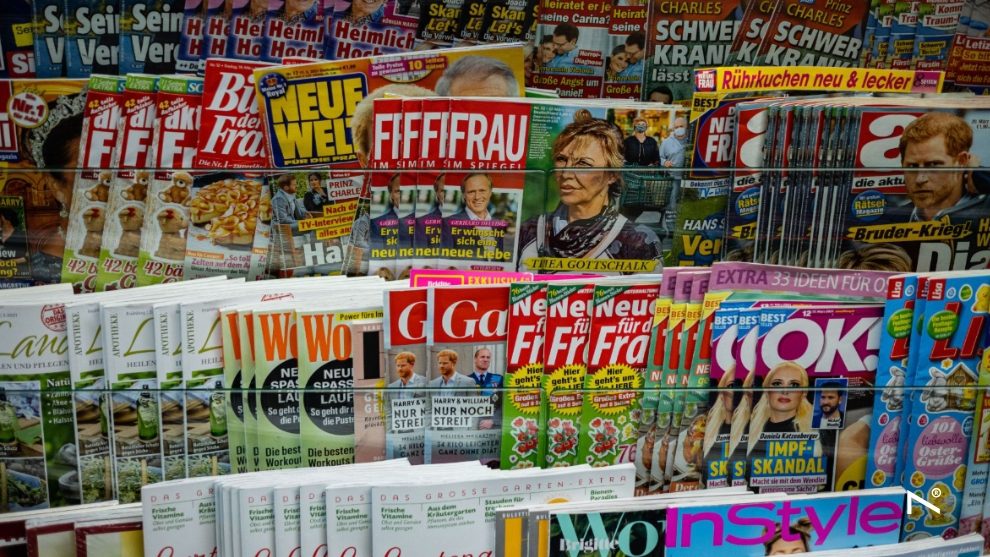
Germany has a particularly diverse media landscape. The country has roughly 352 mainly regional daily newspapers, 27 weekly newspapers, and around 1,300 consumer magazines across both digital and print media1. When looking to target these outlets, it is important to consider that Germany consists of 16 federal states, each with its own distinct culture, values, and areas of interest.
Beyond regional differences, German audiences can also have different attitudes towards pop culture, technology, and emerging trends compared with audiences in other countries. What may generate strong interest or coverage in the UK may not necessarily have the same appeal to a German audience.
Understanding these cultural, regional, and media-specific differences is therefore essential when adapting a Digital PR campaign for the German market. A successful approach requires more than simply translating a campaign into German; it requires understanding what makes German audiences and journalists engage with a story in the first place.
How trust and tradition shape Digital PR in Germany
We first need to understand the level of trust that German audiences still place in traditional media. 61% of Germans trust the media, while 66% of German adults access news online at least once a week2. At the same time, social media remains one of the least-trusted sources of information in Germany.
This highlights an important consideration for Digital PR in Germany: the information and data behind a story need to be reliable, factual, and well researched. Journalists need to be able to trust the information they receive and feel confident that it is credible enough to share with their audience.
Tip: Where possible, use German data and research. It makes the story feel more relevant to the local audience, builds trust, and makes it easier for journalists to fact-check the information.
3 things you must do for successful German digital PR
These three points can help PRs create stories that feel genuinely relevant to German journalists and their audiences. The key is to think beyond simply having a good story and consider why a German journalist would want to cover it.
1: Regional focus
Germany is made up of 16 federal states, each with its own identity, culture, traditions, and sense of regional pride. A story that has a clear local connection can therefore be much more appealing to regional journalists than a broad, nationwide angle.
For example, Munich has a strong association with Oktoberfest, but using Oktoberfest as an angle may not have the same relevance for audiences in Hamburg or Cologne. Instead, look for local data, trends, personalities, events, or behaviours that give journalists a reason to cover the story specifically for their region.
Tip: Don't just translate a national campaign into German. Ask yourself: Can we create a local angle for Munich, Berlin, Hamburg, Cologne, or another region? The more specific the connection, the more relevant the story can become.
2: Bring new Insights to the table
A strong Digital PR story should offer more than a general observation, a simple search trend or one data point that everyone already knows about and has access to. Rankings, original data, surveys, expert commentary, and new research can give journalists a clear reason to pick up your story.
For lifestyle publications, focus on emerging trends, changing consumer behaviour, or topics that everyday people are already talking about. For broader news outlets, consider issues that affect the general public or provide a new perspective on something familiar.
The important thing is that the insight should be specific, credible, and easy for journalists to understand and use.
Tip: Before launching a story, ask: What is genuinely new here? If a journalist can use your data or expert insight to add something to their own article, you are much more likely to create a valuable PR asset.
3: Connect your story to topics that already matter to German audiences
Germany has strong connections to areas such as hiking and outdoor activities, travel and landscapes, traditional food, seasonal celebrations, Christmas markets, football, cars, and regional traditions.
This does not mean forcing a German reference into every PR campaign. Instead, look for authentic connections between your topic and existing interests, habits, or cultural moments.
For example, a travel campaign could use Germany's love of hiking to explore the country's most popular walking routes, while a food campaign could look at regional food preferences.
Tip: Creating stories that feel like they were made for a German audience is much more likely to resonate than one that feels like it was created elsewhere and simply translated.
Germany has a highly valued and relatively traditional journalism culture, making targeted and well-researched outreach essential. One common mistake is treating a press release as a finished article. German journalists often use PR campaigns as a source for their own reporting.
Rather than providing ready-to-publish content, offer strong data, original insights, credible sources and a clear, relevant angle they can build on.
Also, don’t expect immediate coverage. Patience is key when working with German journalists. Just because a story does not gain coverage in the first week does not mean it will not be picked up later. Journalists work around editorial calendars, internal processes and review procedures, and may take extra time to verify information and sources. As a result, coverage can take two days, two weeks or even a month to materialise.
A slower response does not necessarily mean a campaign has failed; it is often simply part of the German media process.
3 things to avoid in German digital PR
Avoid unreliable sources: Stay away from AI-generated information, Wikipedia, or questionable international sources. Use credible, German-based sources wherever possible. Facts should be thoroughly checked, sources should be credible and relevant to the German market, and content should be written in accurate, natural German. Poor translations or unsupported claims can quickly damage credibility.
Avoid political or controversial topics: Be cautious with sensitive subjects such as political parties, migration, or Germany’s history unless they are directly relevant to the story.
Avoid overly emotional language: Keep your tone factual, professional, and straightforward. Digital PR should support journalists rather than attempt to do their job for them. Position your campaign as a useful resource, not a story they are expected to publish. Exaggerated claims can hurt credibility, and yes, skip the emojis.
“Successful International Digital PR requires more than simply knowing the language. It is about understanding the culture, media landscape and mindset behind it. Knowing German is only the starting point; understanding how German journalists think and what resonates with their audience is what helps create a truly successful story.”
Inés Mbae Lopez, Senior International Digital PR Associate