AI Overviews Just Landed in France. Is Your Brand Part of the Answer?
Share
It's finally here for France.
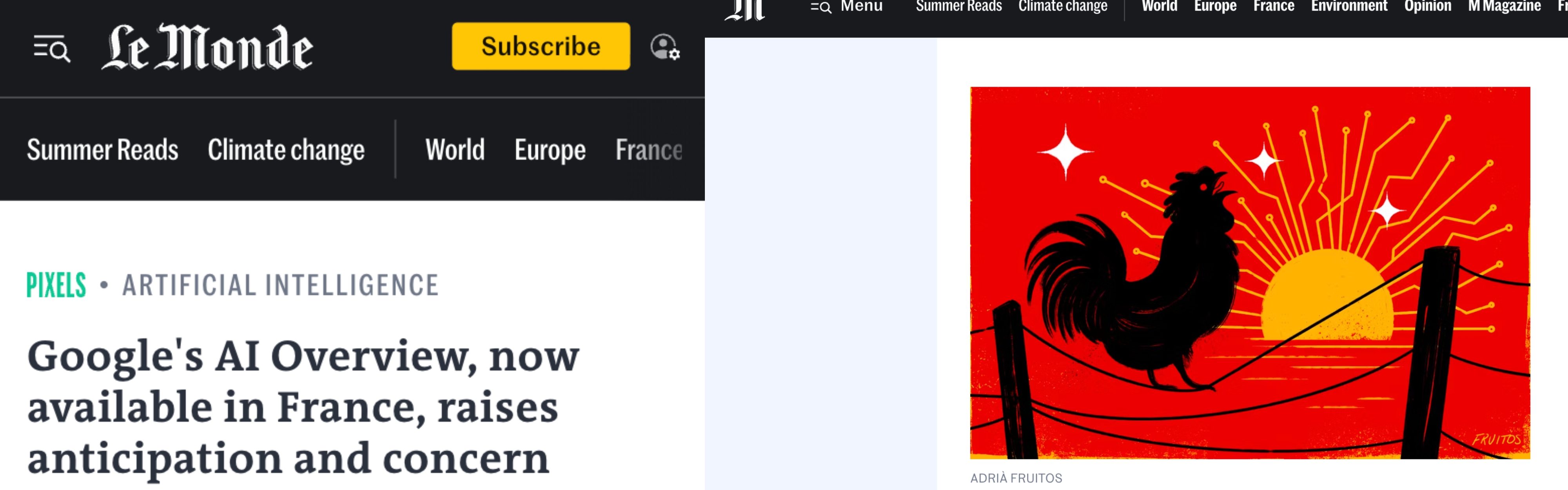
Google has switched on AI Overviews in France. Search a category question now, and an AI-generated summary sits above the traditional results, often followed by AI Mode
For French brands, this isn't another algorithm update to shrug off. It changes the question that matters. One the rest of the world has already been facing. It used to be: does our brand rank on Google?
Now it's: when Google explains our category, does it mention us, recommend us, and get us right?
That's not an SEO problem anymore. It's a brand, content and earned media problem.
The new front page of search
Ask Google "quelle est la meilleure banque pour épargner" or "quelle marque de valise est la plus fiable" and you won't get ten blue links first.
You'll get a synthesised answer based on a combination of sources that AI is citing from.
Google says the fundamentals still matter: crawlable pages, clean structured data, genuinely helpful content.
And we agree, but no brand builds authority by simply insisting it has some. Google calls the process behind AI Overviews "query fan-out": dozens of related searches run behind the scenes, pulling from far more than your own site. Which means what the rest of the internet says about you now carries real weight.
Your reputation is being written off-site
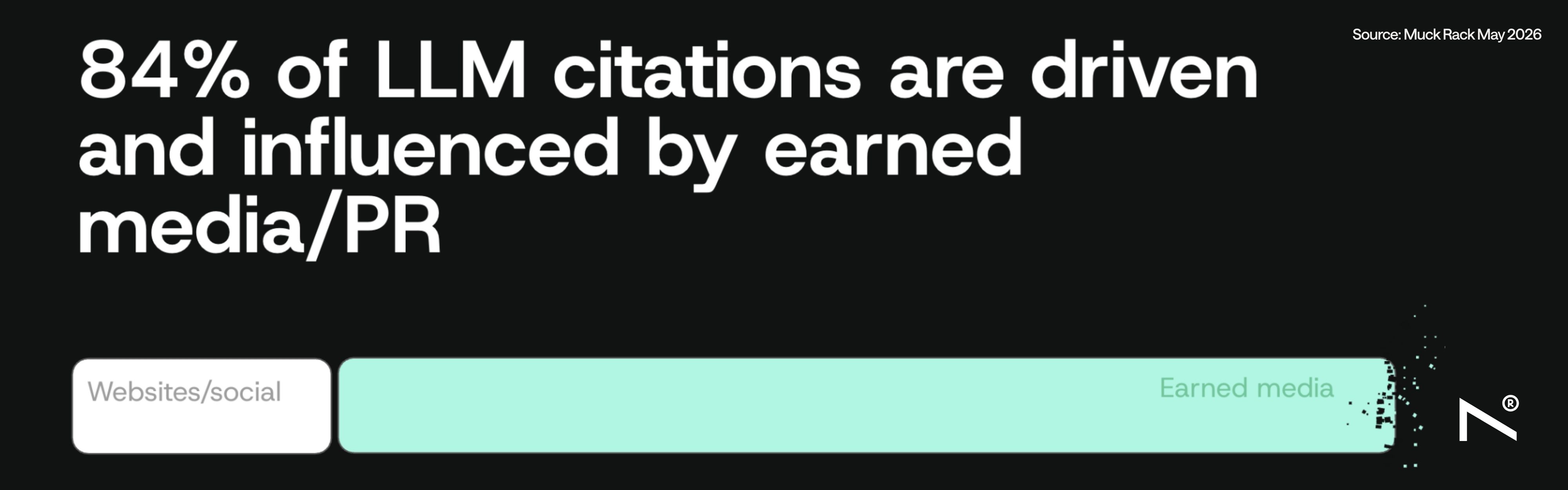
Press coverage, expert commentary, product reviews, comparison articles, forums, podcasts: all of it feeds the picture Google assembles. Your website tells AI what you claim to be. Everything else tells them whether that claim holds up.
Backlinks still count, but treating Digital PR as a pure link-building exercise misses the point now.
Good earned media does three things at once. It signals authority through real expertise, demonstrated with original research or useful commentary rather than asserted in an About page.
It builds relevance, tying your brand to the specific topics you want to be known for rather than scattering generic mentions. And it keeps the story consistent, so your site, the press and review platforms aren't quietly contradicting each other.
None of this is about gaming an answer. It's about making sure the accurate version of your brand is the one available wherever people are researching.
France plays by different rules when it comes to PR
A campaign translated into French isn't a French campaign. France runs on data and cultural moments specifically relating to them and their culture, not a press release with the currency swapped.
Our French Digital PR team has found the market rewards specific things consistently: proprietary research, timely commentary tied to real news, strong regional angles, and stories grounded in how French consumers actually behave.
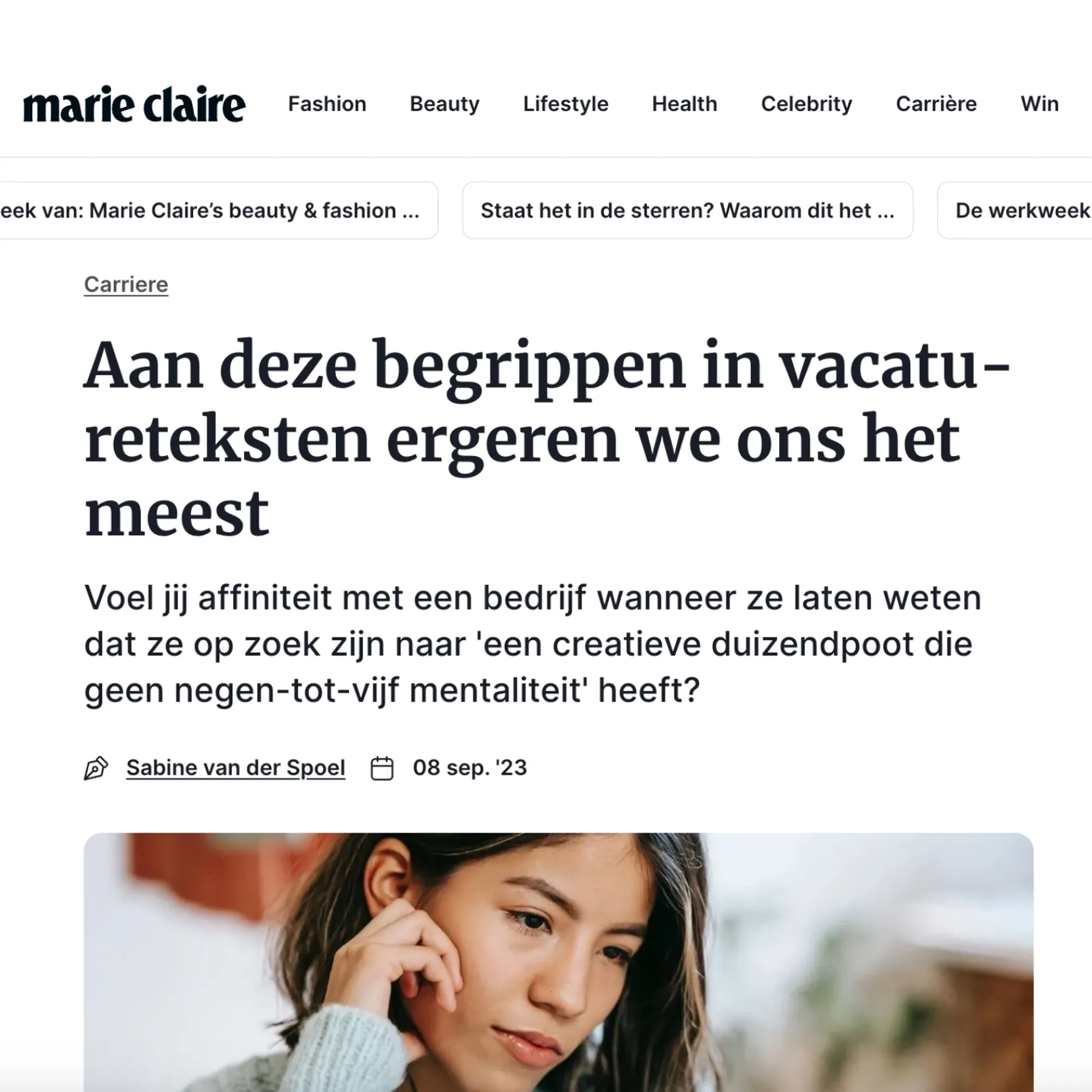
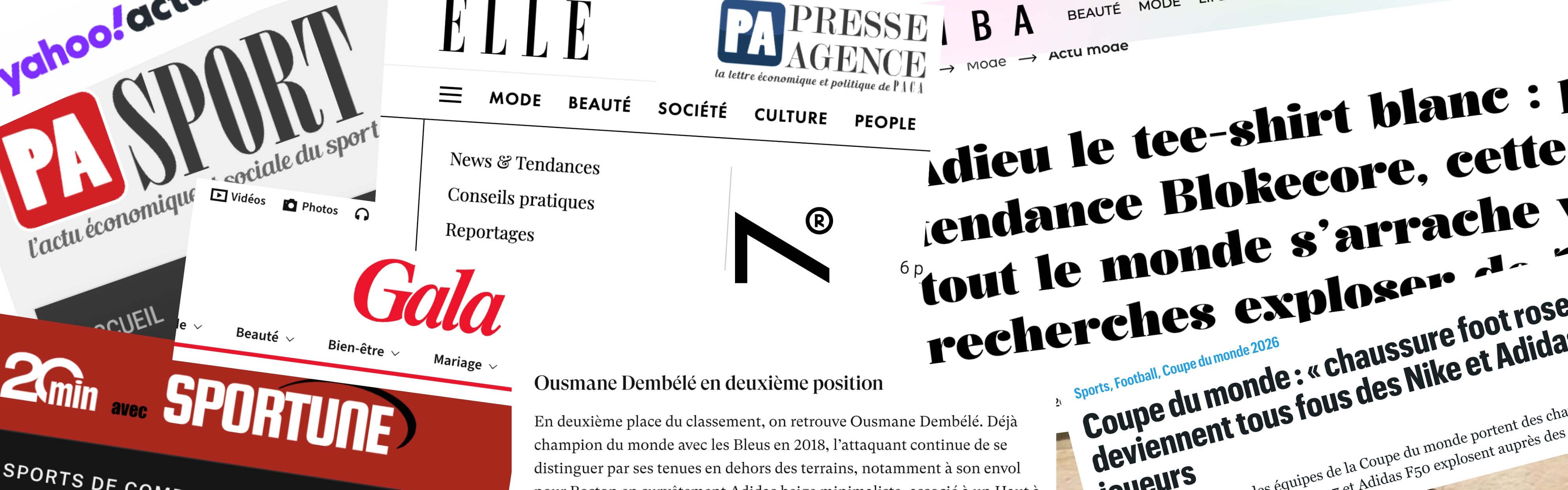
That's earned coverage in Elle, Grazia, Gala, HuffPost, Biba, Le Parisien, Le Figaro, Le Monde, Ouest-France and MCE for clients including SIXT, JD Sports, SharkNinja, Preply and Raisin. Volume alone won't buy that kind of authority. A hundred throwaway mentions won't outweigh a handful of pieces in the outlets that actually shape your category and brand perception.
“France moves fast on trends. Our proprietary tools spot them in real-time, we build the story round our client, and secure placements within 24 hours flat. Timing is everything, French newsrooms move as fast as UK ones.”
Maddie Schofield
Senior International PR Strategist
Our AI visibility services help brands influence how they are discovered, described and recommended across AI-powered search.
Content and PR need to work as one system
The brands that come through this well won't run SEO, content and PR as separate teams filing separate reports. Onsite content has to state the case clearly: what you do, who it's for, what makes you different, and the evidence behind it. Earned media then carries that case into the market through commentary, data-led reports and expert-led coverage that a journalist actually wants to publish. Social, video and community content extend it further, since Google is increasingly surfacing forums, articles and video alongside its own summaries.
What to do about it now
Start by testing how AI actually describes you. Run the questions your customers ask before they know your brand name, in French, on Gemini. Note who gets recommended, what's outdated, and where the story changes between platforms.
Then pick the categories worth owning. Not "appear more everywhere," but specific, commercially meaningful ground:
Best eSIM for travel,
Most reliable car rental company,
Best savings platform in France.
Check whether your current content and coverage actually earn you a place in that conversation.
Finally, build things worth citing. Original data, real surveys, transparent comparisons. A generic AI-written blog post won't differentiate you; a French journalist handed a genuinely useful dataset will.
Being present isn't the same as being trusted
AI Overviews put more distance between a search and a site visit, but they also open an earlier point of influence, shaping consideration before anyone clicks through. Winning that takes useful onsite content, credible outside validation, and a consistent presence across the outlets and platforms people actually trust.
The brands building that evidence trail now will own their category position before competitors notice the ground has shifted. Everyone else may find that AI has already made up its mind about them, or never noticed them at all.
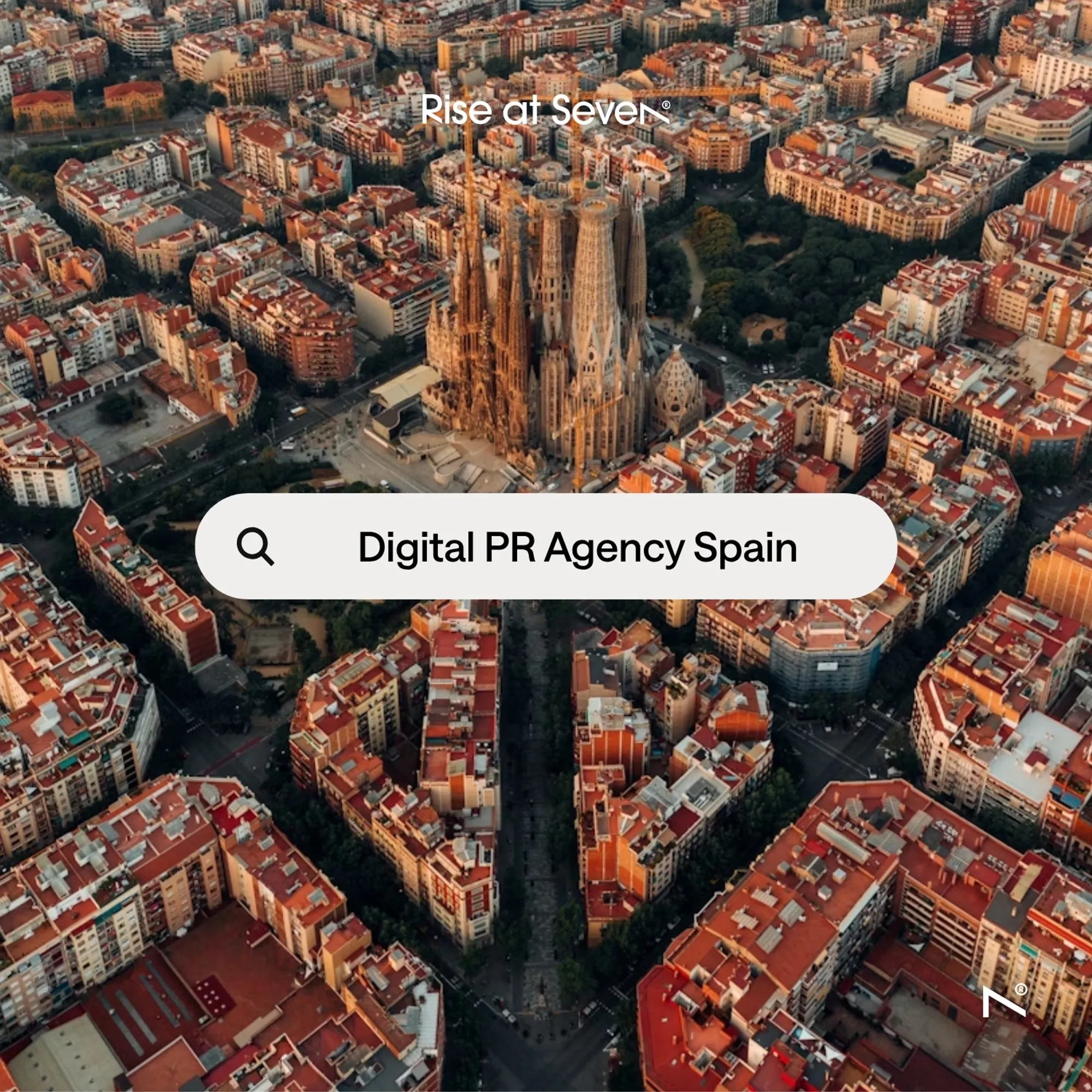
Rise at Seven has this saying ‘’We Rise at Seven, Globally’’ because we integrate into local culture for example we combine native French Digital PR, search strategy and content expertise to help brands become part of that answer led by people from France, to build authentic culturally relevant strategies.
Until next time, thanks.
Ray
Written By
Ray Saddiq
Global Head of Marketing
Thu 23 Jul
Ray Saddiq is a leading voice in the world of Marketing SEO and social media known for connecting the dots between how people search and how they scroll. As Head of Marketing at Rise at Seven, he’s pioneered approaches that treat platforms like TikTok, Pinterest, and Instagram not just as content channels but as search engines.