The Future of Search Marketing 2026 Predictions You Can’t Ignore
Digital PR in Spain
Share
After a big, fast-moving year in 2025 that changed how search marketing works, we asked our Risers to share their bold predictions for 2026. From new trends to fresh ways of thinking, their ideas give us a glimpse into what’s coming next
Take a look at our Risers’ predictions for 2026 👀
Karl Loudon - Global Chief Growth Officer
I think that in 2025 we’ve seen more brands understand that in order to win at search you have to bring down the walls between SEO and Digital PR.
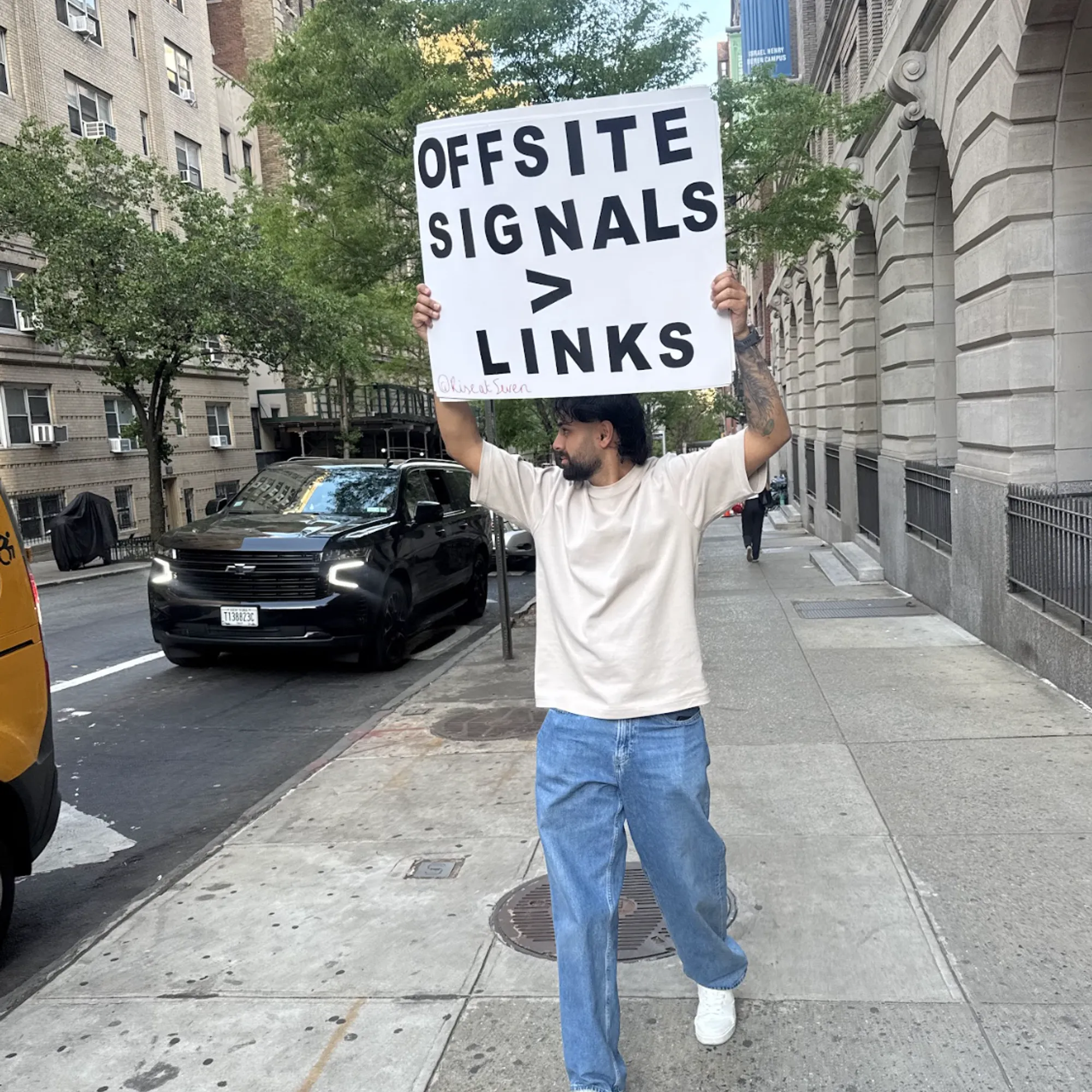
AI has been a key driver of this as a hot topic in all boardrooms. Offsite brand trust signals are an essential part of a healthy channel mix and as we go into 2026 I predict more CMO’s restructuring their teams to allow better collaboration to keep themselves visible as consumer’s behaviour continues to evolve in conversational search.
Ray Saddiq - Global Head of Marketing
As AI continues to reshape how people discover information, search will move from being a single channel to becoming the core layer inside every marketing team. Brands will need to truly understand the customer journey using a mix of AI search data, traditional search behaviour, and social listening to map how people move from trigger to purchase across Google, TikTok, YouTube, Reddit and emerging AI interfaces.
At the same time, long-form video will continue to grow as audiences increasingly favour depth, context and credibility, with short-form acting as the distribution engine that drives people towards that longer content. And as that shift happens, we’ll see the rise of short-form distribution accounts on a scale we’ve never seen before, moving from something only creators and streamers used to a mainstream brand tactic.
Companies will run entire networks of micro-channels clipping their long-form content into searchable moments designed to dominate discovery across all platforms. Together, these trends signal a major reset: search becomes the brain of marketing, long-form becomes the trust builder, and multi-account distribution becomes how brands win attention.
Will O'Hara - SEO Director
The advancement of AI feels almost never ending, with new models and products coming out weekly. But Google’s still the most popular search engine by far, and despite the growth of ChatGPT, people in the main still hit Google at some point in their search journey.
As a result, whilst they’re still ahead I think it’s likely they’ll push more AI features into the mainstream search results - mostly like an expansion of AI Mode or Web Guide. If either of these become the default, the tracking of organic search will potentially become harder, as searchers discover your site via different routes (i.e. Direct, referral, dark social, etc). As with the advent of (not provided) data in Google Analytics in 2013, this will force marketers to find workarounds and recalibrate reporting.
Study after study shows that having your brand repeatedly included in quality, relevant publications is a factor for inclusion or consideration amongst AI/LLM engines - so focusing on that through 2026 will be vital (and it helps power strong traditional organic rankings too!) It’s likely that as more brands do this, an every-shrinking number of journalists and editors will receive an ever-growing volume of pitch emails; so creativity & data will win here.
Ryan McNamara - Head of Operations
In 2026, brands will win by continuing to optimise for connection, context, and credibility, not just keywords or scale.
As AI floods the web with content, audiences will grow tired and people will crave connection and trust, people are already wondering what is and isn't real online. Which means the brands that stand out will have a real voice, earned authority, and emotional relevance, which is why micro-influencers will continue to outperform macro ones. At the same time, content will shift from static to social. The brands gaining traction will be those that treat content as conversation, not broadcast. Think UGC, live formats, employee storytelling, and immersive experiences, content people can participate in, not just consume.
From a commerce perspective, AI agents will become major drivers of action, making it easier to buy and helping users feel like they’re part of a journey tailored just for them. This shift will elevate performance marketing as it will no longer be about being louder than everyone else.
With cookies fading, first-party data and user intent signals will become core to marketers, and they will treat search and social as conversion or discovery engines, integrating CRM, creative, and media in real time.
Joe Struggles - Strategy Director
Remember Microsoft’s paperclip? Helpful. Annoying. A little ahead of its time. By 2026, it’s back, but this time it actually works and now has a memory.
AI will start to move away from single tools or channels anymore. It’ll sit across platforms, devices, and data ecosystems as a form of an AI-driven agent… always on, always learning, always suggesting.
These agents won’t just respond. They’ll anticipate and react. They’ll assess context, infer intent, and guide the next best step in a customer journey in real time, across devices. Getting content and memory from the context of digital ecosystems like the web, apps and devices.
Category leading brands hoping to be part of this experience need to be clear in their proposition, consistent in their messaging and always have the needs and queries of their intended audience in mind throughout their cross-channel experience marketing.
Want to get ahead of search?
Look this search journeys study we completed reviewing 1.5b searches.