Human Emotion: The strongest campaigns tap into real feelings. They focus on people and their experiences rather than simply promoting products or services.
Relatable Industry Problems: Winning campaigns speak to the shared frustrations businesses face every day: inefficient processes, outdated systems, operational chaos. When your audience thinks "that's exactly us," you've already won.
Cultural Relevance: B2B brands are increasingly stepping into wider cultural conversations sport, humour, internet trends helping brands feel current and engaging rather than corporate and distant.
Story-Led Campaigns: Rather than focusing on product features, the best brands create ideas and stories audiences want to watch and share. Complex products become easier to understand and infinitely more memorable.
10 B2B campaign examples that got it right
01 — Bell Canada: Bell Let's Talk (2011–2025)
The idea: Turn a telecom company into the national voice for mental health.
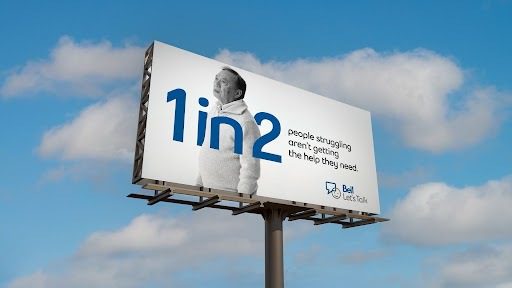
Bell Canada's long-running campaign encouraged Canadians to share messages of support using the #BellLetsTalk hashtag, with each interaction helping raise funding for mental health services. A simple call-to-action drove millions of social interactions, widespread media coverage, and sustained brand trust over 14 years.
Bell didn't talk about its products. It led a conversation that mattered to people and businesses, partners and individuals alike wanted to be associated with it.
The Lesson: When you advocate for something real, trust follows. Purpose-led campaigns build equity that product campaigns simply can't.
02 — St John Ambulance: High Vis Stress Vest (2025)
The idea: Make the invisible visible, literally.
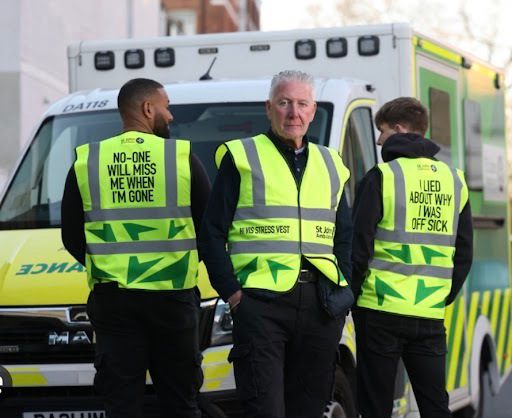
St John Ambulance printed the hidden struggles of workers on the backs of high-vis vests. Messages like "I'm too tired for this tough guy act" and "I lied about why I was off sick" turned a piece of everyday safety equipment into a striking piece of social commentary.
The campaign cut through by using a familiar object to say something unfamiliar and in doing so, sparked genuine conversation around mental health in male-dominated industries.
The Lesson: Creativity is just honesty, made visible. Find the everyday object or moment in your industry and ask: what truth could this carry?
03 — LinkedIn: In It Together (2020)
The idea: When the whole world is going through the same thing, reflect it back.
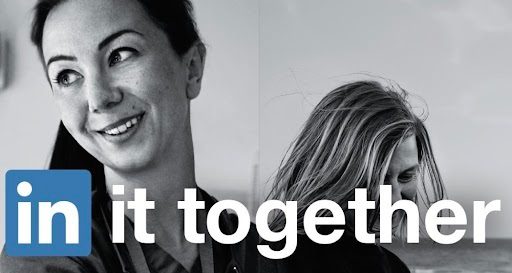
Amplified during the pandemic, LinkedIn's campaign shared real stories of job loss and career shifts not inspirational success stories, but honest accounts of uncertainty and the support professionals gave each other through it.
The campaign resonated because it didn't pretend things were fine. It acknowledged the shared human experience of that moment and positioned LinkedIn as a platform built on community, not just career advancement.
The Lesson: Meet people where they are, not where you wish they were. Acknowledging real pressure builds deeper connection than projecting relentless optimism.
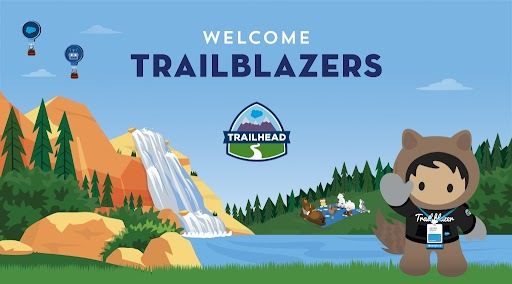
04 — Salesforce: Trailblazer (2017–ongoing)
The idea: Don't celebrate the software. Celebrate the people using it to change the world.
Salesforce built an entire brand identity around the concept of "Trailblazers" customers, entrepreneurs and innovators using technology to transform their industries. Their stories were amplified through social content and the flagship Dreamforce conference, where thousands of customers gather to share how they're driving change.
This positioned Salesforce not as a CRM vendor, but as a platform powering a global movement of innovators.
The Lesson: The best brand story is someone else's success story. Give your customers a stage and an identity they'll recruit the next generation of buyers for you.
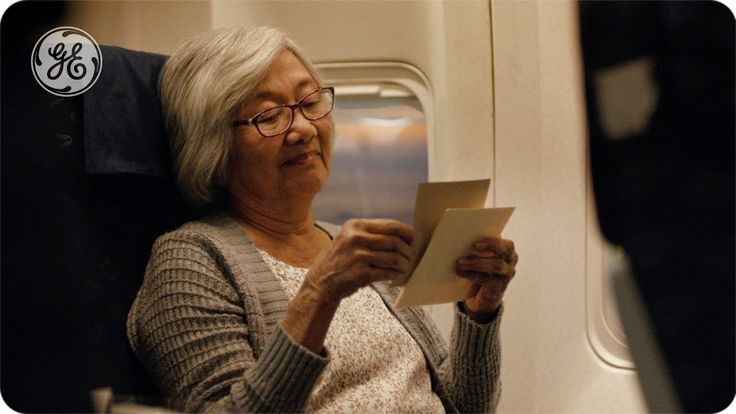
05 — General Electric: What Matters (2021)
The idea: Make engineering emotional.
GE's campaign focused on the human impact of its technology across healthcare, energy and aviation telling stories about the people and innovations behind the industries rather than the products themselves. A newborn in an incubator. A surgeon. A wind turbine engineer. These were the faces of a company that could have talked about turbines and software.
The campaign helped reposition GE around purpose and innovation, generating strong engagement across digital and industry media.
The Lesson:Complexity is never a reason to be cold. Even the most technical product exists to serve a human need. Find that need, find the person it serves, and start there.
06 — Epson: Heat Free Printing (2023)
The idea: Turn a technical product feature into a cultural moment.
Epson's campaign used striking imagery including a professional skater carving the campaign message into ice to bring the concept of "cold" printing to life. What could have been a dry product specification became a distinctive visual identity that travelled across digital and industry media.
The result? A 10% year-on-year growth in sales volumes for the business unit.
The Lesson: If you can show it, you don't need to say it. Every product has a story waiting to be visualised. Don't describe your differentiator dramatise it.
07 — Bupa: The Wellbeing Advantage (2022)
The idea: Lead with research, not a sales pitch.
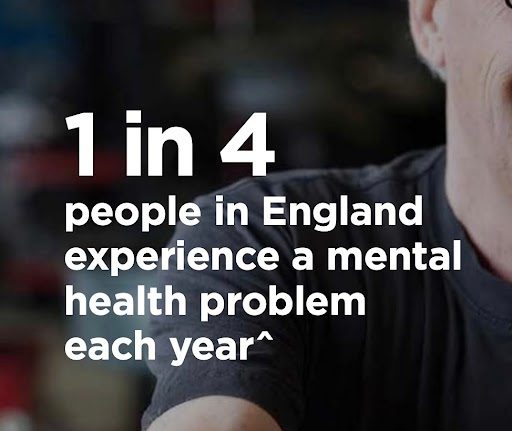
Bupa partnered with the British Interactive Media Association to produce original research highlighting the mental health pressures facing leaders in the digital and tech sector. The insights were widely shared across industry channels, sparking genuine conversation around workplace wellbeing.
By focusing on a real challenge affecting its audience rather than promoting health insurance products Bupa positioned itself as a trusted, expert voice in a space its competitors were ignoring.
The Lesson: Give your audience something useful before you ask for anything in return. Credible data, shared generously, builds authority that no ad campaign can buy.
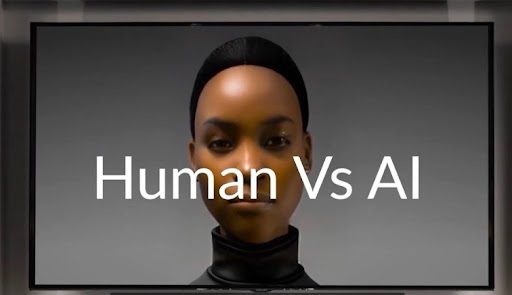
08 — GfK: Human vs. AI (2023)
The idea: Step into the biggest conversation happening in your industry.
GfK, a data and market research business, launched a campaign exploring the growing debate around AI versus human decision-making in business. Rather than shying away from the disruption AI was causing in its sector, GfK leaned into it and used the conversation to reinforce the irreplaceable value of human insight.
The Lesson: Don't wait for trends to affect your industry lead the conversation. The cultural debates your customers are already having are your best creative brief.
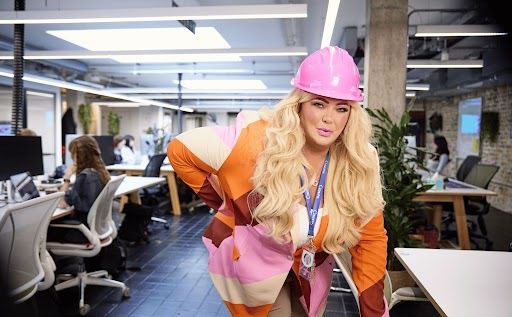
09 — Canva: Canva x Gemma Collins (2026)
The idea: Make B2B feel like pop culture.
Canva cast British reality TV personality Gemma Collins as its fictional "Creative Director" for a UK brand campaign. Running across social and PR, it used humour, celebrity culture and a healthy dose of self-awareness to celebrate creative confidence and make design feel accessible for businesses of all sizes. It even launched ChatGC a playful AI tone inspired by Collins' iconic voice.
The Lesson: Permission to be entertaining is not a concession. It's a strategy. B2B audiences are humans who watch television and appreciate a joke. Meet them in their cultural world.
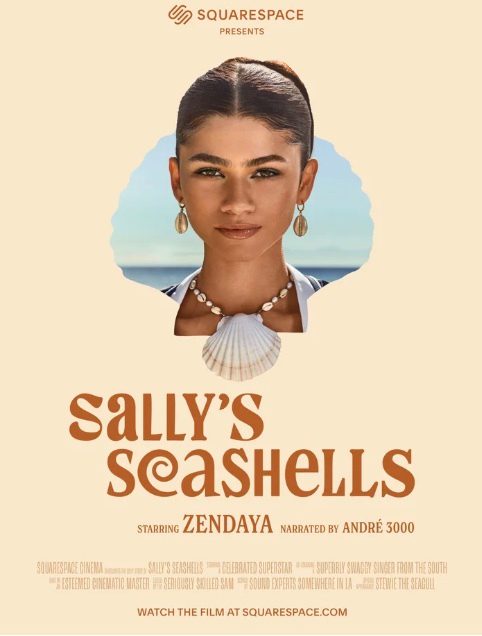
10 — Squarespace x Zendaya: Sally's Seashells (2022)
The idea: Wrap a business message in a story so compelling it becomes entertainment.
Squarespace's Super Bowl campaign told the story of a seashell seller turning a small idea into an online business using Zendaya to bring it to life with charm and warmth. It tapped into creator culture, the side hustle economy and the universal dream of building something of your own.
The results: over 257 million views, more than 2,400 pieces of media coverage, 262 million social impressions and a 359% increase in search conversions.
The Lesson: Invest in the story, and the story will do the selling. When you hit the right cultural nerve with the right creative, the returns are disproportionate.
The Real Question Every B2B Leader Should Be Asking
Across every one of these campaigns, the pattern is the same. The brand stepped back from its product and stepped toward its audience their real lives, their real challenges, their real world.
The most powerful B2B campaigns start with human truth. They earn attention before they ask for it. They build trust before they sell. And they treat their audience as whole people, not just job titles.
The question isn't "what should we say about our product?"
It's: "What do our customers actually care about and how do we show up in that conversation in a way that's genuinely worth their time?"
Pulled together by Rise at Seven's B2B Campaign & brand team
Written By
Ray Saddiq
Global Head of Marketing
Fri 18 Jul
Ray Saddiq is a leading voice in the world of Marketing SEO and social media known for connecting the dots between how people search and how they scroll. As Head of Marketing at Rise at Seven, he’s pioneered approaches that treat platforms like TikTok, Pinterest, and Instagram not just as content channels but as search engines.